



آلة صنع أربطة الكابلات مقابل آلة الربط الأوتوماتيكية
معظم الأشخاص الذين يبحثون عن آلة ربط الكابلات للبيع يتسوقون من أجل واحدة من ثلاث قطع مختلفة تمامًا من المعدات، ونادرًا ما توضح القوائم ذلك. الآلة الأولى تضغط روابط مصنوعة من النايلون من حبيبات بلاستيك PA66؛ الثانية تلف الروابط البلاستيكية الجاهزة حول الحزمة المعنية، تشد العقدة، وتقطع الزائد. الآلة الثالثة تصنع روابط سلكية دون الحاجة إلى أي روابط نايلون. الأسعار والوظائف للآلات المذكورة تختلف بشكل كبير، حيث تكون تقريبًا عشرة أضعاف في القيمة. الدليل الحالي يشرح الفروق بين الأنواع الثلاثة من الآلات وما يجب أن تضعه في اعتبارك عند إجراء عملية الشراء.
النوع الأول من آلة ربط الكابلات يتكون من آلة الإنتاج الفعلية - تنتج ما يُشار إليه بآلة صنع روابط الكابلات (غالبًا ما يُشار إليها بآلة تعمل بواسطة حقن PA66 إلى منتجات نهائية)؛ هناك أيضًا آلة أخرى تتعامل تلقائيًا مع روابط الكابلات، معروفة بتنفيذ لف رابط حول حزمة معينة مع ربط العقدة التالية وقطع الجزء الزائد. النوع الأخير من آلة ربط الكابلات يتميز باستخدام نوع من خيوط السلك بدلاً من روابط النايلون المربوطة.
ثلاث آلات تُباع تحت اسم واحد
في نتائج البحث، تتداخل الفئات في السوق وكذلك أسماء المنتجات لهذه الآلات. في الأسواق الكبيرة B2B، عندما ترى شيئًا بعنوان “آلة صنع روابط الكابلات” قد تكون جهاز ربط محمول، بينما “آلة ربط الكابلات” قد تشير إلى آلة حقن. لذا تأكد من التحقق من ورقة المواصفات بدلاً من مجرد العنوان.
| نوع الآلة | ما يدخل | ما يخرج | المشتري النموذجي |
|---|---|---|---|
| آلة صنع روابط الكابلات (آلة حقن بلاستيك بالإضافة إلى القالب) | حبيبات نايلون 66 | روابط كابلات نهائية، عادة ما تُشكل عدة روابط في وقت واحد | معالجو البلاستيك ومصنعي المشابك |
| آلة ربط روابط الكابلات الأوتوماتيكية | روابط كابلات نايلون نهائية | حزم سلكية مربوطة، أحزمة أو لفائف | مصانع تجميع الأسلاك، الأجهزة والإلكترونيات |
| آلة الربط اللولبي | بكرة من سلك مغطى بالورق أو البلاستيك | إغلاقات ملتوية على الأكياس، الحبال واللفائف الصغيرة | تعبئة الطعام، حبال المستهلك، تجميع خفيف |

البنادق اليدوية والهوائية للتوتر هي فئة رابعة، لكنها أدوات بدلاً من آلات. إذا كانت الأداة اليدوية هي ما تحتاجه فعليًا، فإن مقارنتنا لـ أدوات ربط الكابلات تغطي الخيارات دون الحاجة إلى استثمار كبير.
آلات صنع روابط الكابلات: ما الذي تشتريه حقًا
آلة تُستخدم لـ تصنيع روابط الكابلات عادةً ما تكون آلة حقن أفقية بسيطة تُستخدم لبعض الأعمال الصعبة في معالجة البلاستيك. روابط الكابلات هي أشياء بلاستيكية طويلة ورفيعة، مع آلية قفل خفيفة الوزن في أحد الطرفين. يجب أن تنتقل النايلون الساخن من رأس الآلة إلى طرف البلاستيك قبل أن يتجمد. تشير مقالة مصنع روابط الكابلات الأمريكية من PlasticsToday إلى أن أوقات التعبئة أقل من 1 ثانية وضغط الحقن يتراوح بين 11,000 psi إلى 16,000 psi، والقوالب تتكون من 6 إلى 256 تجويف، بعضها يتطلب قوة تثبيت تصل إلى 600 طن.
لذلك، فإن آلة الحقن هي مجرد مكون واحد من الاستثمار. تتكون خلية الإنتاج الكاملة من ما يلي:
- قالب دقيق متعدد التجاويف. يجب أن تملأ جميع التجاويف في نفس اللحظة لتجنب الحصول على روابط قصيرة مع بعض المنتجات النهائية التي تحتوي على فائض من الصب. إنه معقد للغاية لدرجة أن صانعي القوالب قد حصلوا على براءة اختراع لطرق تحقيق ذلك.
- عدائين ساخنين أو عدائين باردين مصممين بشكل صحيح يجب اختيارهم بناءً على عدد التجاويف أو حجم روابط الكابلات.
- مجفف مع مادة مجففة. تمتص النايلون 66 الرطوبة من الجو ويقول معالجو الراتنج إن محتوى الرطوبة يجب أن يكون ضمن نطاق ضيق قبل الحقن لأن الراتنج الرطب يؤدي إلى فقاعات غير مرغوب فيها، وتفريغ وضعف روابط الكابلات.
- التحكم في درجة حرارة القالب ومياه التبريد لأن التبريد غير المتساوي يمكن أن يؤثر على أبعاد روابط الكابلات وصلابة القفل.
- استقرار الرطوبة بعد التشكيل. النايلون الذي تم تشكيله حديثًا جاف وهش، وبالتالي تحتاج الروابط إلى بعض الوقت للاستقرار قبل أن تتمكن من الانحناء والقفل.
- أيضًا، المعدات التالية مطلوبة لأغراض الاختبار: لقياس قوة الشد، قوة القفل والأبعاد وللتغليف والعد.
لا تكفي آلة حقن واحدة لإنتاج روابط كابلات قابلة للتسويق. يحتاج المرء إلى تخصيص ميزانية للقالب، المجفف، المبرد، التكييف والاختبار، بالإضافة إلى توظيف فني عمليات ماهر.
آلات ربط روابط الكابلات الأوتوماتيكية لخطوط الأسلاك
آلة أوتوماتيكية لربط روابط الكابلات لتجميع الأسلاك تقوم بعملية معاكسة. يقوم المشغل بوضع حزمة الكابلات في فكوك الآلة، ثم تقوم الآلة تلقائيًا بتغذية رابط الكابل حولها، وتبدأ في إدخال الذيل في الرأس، وتسحب عند التوتر المحدد مسبقًا وتقص فائض رابط الكابل. الوحدات المكتبية شائعة جدًا في ورش الأسلاك، والمصانع الصناعية، وصانعي لوحات التحكم مع تجميع متكرر طوال اليوم.
تستخدم أنواع مختلفة من الآلات طريقة مختلفة لتغذية الكابلات. تأخذ معظم الآلات المكتبية روابط الكابلات في أقسام فضفاضة باستخدام مغذي وعاء اهتزازي لفرز الروابط. بعض الآلات، مثل الأجهزة المحمولة، تستخدم روابط الكابلات على بكرات. تحدد كل طريقة لتغذية الروابط تكاليف المستهلكات، وسرعة تغيير الحجم، ونوع روابط الكابلات التي يمكنك شراؤها وفقًا لطراز الآلة.
يجب أيضًا مقارنة المواصفات الفنية. الخصائص الرئيسية هي حجم الرباط، الحد الأقصى لقطر حزمة الأسلاك، وقت الدورة، وضبط التوتر.
كم يكلف جهاز ربط الكابلات؟
الأسعار أدناه هي أسعار قائمة عامة تم جمعها في أكتوبر 2026. وهي نقاط مرجعية، وليست عروض أسعار، وتستثني الشحن، والرسوم، والتركيب، والقوالب، والتدريب.
| المعدات | مرجع السعر العام | ما الذي عادةً ما يتم استبعاده من السعر |
|---|---|---|
| آلة ربط تلقائية | About $1,500 retail | Wire spools; it cannot use nylon cable ties |
| Benchtop automatic nylon tie tying machine (vibratory bowl feed) | $4,200 for the ZONESUN ZS-WTKZ4 | Tie-size change parts, shipping, voltage options |
| Handheld or benchtop automatic tying units on B2B marketplaces | Roughly $4,300 to $6,200 | Compatible consumables, spare parts, local service |
| Injection molding machines marketed for cable tie production | Roughly $9,000 to $50,000 per machine | The mold, dryer, chiller, conditioning, test equipment and installation |
The injection molding figure is one that deceives buyers most. The listing indicates the press. A precision multi-cavity cable tie mold is quoted separately, and on a new production line the cost of the mold, auxiliary equipment, and the time it spends for tuning the process can equal to the cost of the press itself. Make sure you ask each supplier to give a turnkey quotation that names every item, such who will run the first trials.
With tying machines, look beyond the cost as well. A cheaper machine that only uses proprietary reel-fed ties can turn out to be more expensive over five years than an overpriced machine that can use loose regular ties.
Nylon Ties?
Many buyers overlook asking this query. Machines that use bowls must be built around a specified head shape, strap gauge, and length variety, while machines that use reels and bandoleer systems must get the straps formed for them.
Some branded automatic machines have been made specifically for the maker’s own straps and do not use any other straps.
You must clarify the following questions before placing the order:
What strap sizes and variations is the machine capable of running? Specify the changing parts needed.
Does it use standard loose straps or reel-fed straps?
Are they going to test your straps before sending?
How is the machine made to adjust tension? Is the tension limited to safety the insulation of wire?
How much will the compatible straps cost?
Avoid thinking that a strap will be supplied correctly just because the dimensions are compliant. There is a need to consider head geometry, stiffness, and moisture content while sending samples.
For loose straw feeding machines, the straps that are produced by only one manufacturer are significant. Standard sizes such as our روابط كابلات قياسية are a starting point for trials, and a tie size chart helps you match the machine’s stated range to real part numbers. Results still need to be confirmed on your specific machine.
What to Evaluate Before Your Purchase
①. Define the purpose. Will you be using the ties to sell products, on your assembly line, or pack goods?
②. Assess the numbers. Determine how many ties you plan to create or use and how many types will be produced.
③. Ask for the list of equipment. For molding it will be all the machines involved in the molding process. For tying it will include change parts and feeding system.
④. Request for tests. The molding machine providers should produce test ties from the material you chose. The tying provider should test the tying of your bundles.
⑤. Examine the utilities. Make sure that the voltage, phase, compressed air, and cooling water are ready for work.
⑥. Check the availability of local service. Call and ask the representative of the company who will be providing after-sale service for the machine.
⑦. Think about quality control. Test the ties for tensile strength against the standard you chose.
Should you purchase the Machine or Ties?
In some contexts, having a machine makes economic sense and in others it does not. To figure it out, a simple division can be performed:
Payback = Total investment ÷ Savings per tie
In terms of tying machine, savings derived out of labor. One example to illustrate the comparison: a factory has the ability to operate the tying machine that costs $4,200, which helps cut 3 seconds per tie, while labor costs $24 per hour, which means the cost of one tied bundle is $0.02, making the machine cost efficient after about 210,000 bundles tied. If the factory ties 2,000 bundles per day, payback will come in few months, while the one doing 50 bundles per day may never reach it.
In terms of making machine payback is determined by calculating the full price of making the tie on your own (including resin, energy cost, labor cost, maintenance costs and testing and comparing it against the price of the ties from the factory. Poor utilization rates and high levels of scrap will render the savings in no time.
| Your situation | Usually the better first move |
|---|---|
| Distributor starting a cable tie line | Buy from a manufacturer, ideally under your own brand |
| Assembly plant tying the same bundle all day | Evaluate an automatic tying machine and a reliable tie supply |
| Company needing a special size, color or marking | Validate demand with OEM production before investing in tooling |
| Molder with spare presses and nylon experience | Cost out a dedicated mold, dryer and test setup |
| New investor with no molding background | Visit working tie factories before buying any equipment |
Many distributors who search for machines are really looking for their own branded product. That can usually be achieved without a factory, as explained in our guide to branded cable ties.
What a Working Cable Tie Factory Looks Like

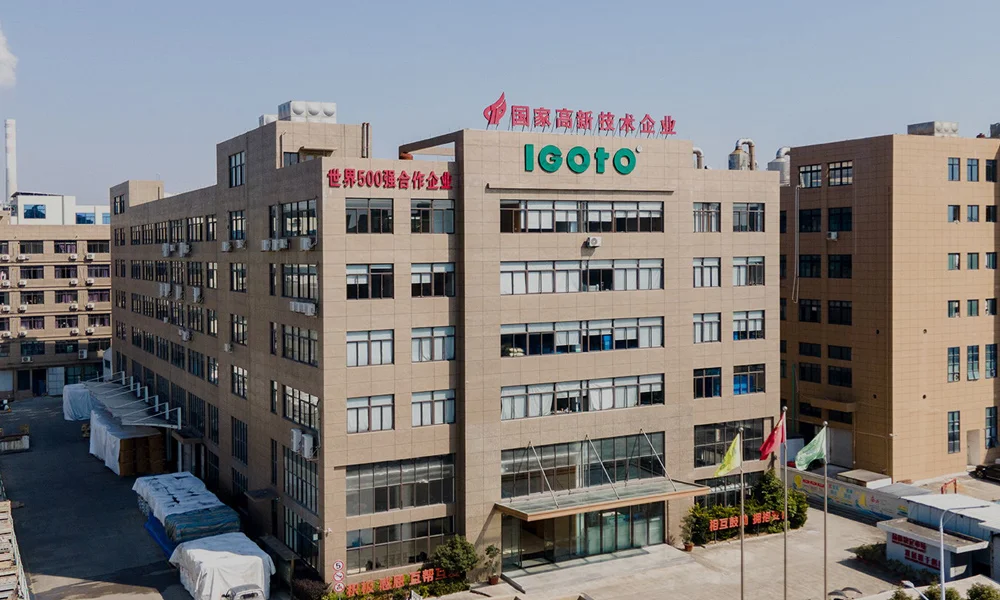
The company IGOTO produces nylon cable ties and does not sell either production or tying machines. We provide this information so that customers can understand how elaborate and disciplined manufacturing of cable ties can be. The manufacturing facility used for the production of cable ties belongs to an area of 25,000 square meters and uses 52 injection molding machines on 18 lines of automated production.
The whole production takes place in several stages:
①.Raw material inspection of virgin PA66.
②.Drying and preparation to make sure that moisture is within acceptable limits.
③.Using precision injection molding at properly controlled temperature and pressure settings.
④.Cooling and forming according to given specifications.
⑤.Moisture conditioning of the finished tie.
⑥.Finishing process, including appearance, dimensions and locking mechanism tests.
⑦.Tensile strength testing and other tests, such as UV testing and aging tests.
⑧.Counting, packaging, labeling and shipping.
Each stage of production is necessary, and ignoring any of them leads to failures in performance of the product. The مراقبة الجودة page of our website contains detailed information on the testing process.
For buyers who decide that sourcing ties makes more sense than building a line, our خدمة روابط الكابلات OEM covers custom lengths, colors, tensile grades and private-label packaging.
الأسئلة المتكررة
How much does a cable tie making machine cost?
Injection molding machines for producing cable ties range from approximately $9,000 to $50,000 according to B2B trade sites. That is solely for the press. The mold, dryer, chiller, conditioning, testing equipment, and installation are additional costs, which may equal or exceed the press price.
How much is an automatic cable tie tying machine?
Benchtop automatic tying machines start around $4,000 to $6,000 from general equipment suppliers. Industrial systems from established brands cost considerably more, and their consumable ties are often proprietary.
Can I use any cable tie in an automatic tying machine?
No. Each machine is built for a specific feeding format and size range. Head shape, strap thickness and batch consistency all affect feeding, so trial your ties on the actual machine before committing.
How many cable ties can one injection molding machine make?
Output depends on cavity count and cycle time. Commercial molds range from a handful of cavities to more than 200, with cycle times of a few seconds, so a single well-tuned press can produce hundreds of thousands of ties per day.
What material are cable ties made from?
Most nylon cable ties are molded from polyamide 66, which balances strength, flexibility and heat resistance. UV-stabilized, heat-stabilized and flame-retardant grades are used for specific environments.
Is a twist tie machine the same as a cable tie machine?
No. A twist tie machine wraps coated wire from a spool and twists the ends together. It is suited to bags, cords and light bundling, not to nylon cable ties or wire harness work that needs a rated locking tie.
المراجع
- PlasticsToday: Cable ties, complexity from simplicity
- US Patent 5,792,409: Balanced multi-cavity injection molding of cable ties
- Entec Polymers: Nylon 66 general processing guidelines
- Wikipedia: Injection moulding
- ZONESUN ZS-WTKZ4 automatic nylon cable tie binding machine listing
- NEMA: UL 62275 cable tie types simplified
الخاتمة
Before you contact a single supplier, decide whether you need to make cable ties, apply them, or twist coated wire. A tying machine is a modest, measurable investment that pays back on labor when volumes are steady and the consumables are easy to source. A cable tie making machine is the front end of a full production system, and the press price is only the opening line of the budget. If the numbers point toward sourcing finished ties instead, IGOTO can quote standard sizes or a custom specification for your project. If they point toward a machine, use the checklist above and insist on a trial with your own ties or resin.


