



روابط الكابلات السميكة: أفضل 10 علامات تجارية ومصنعين
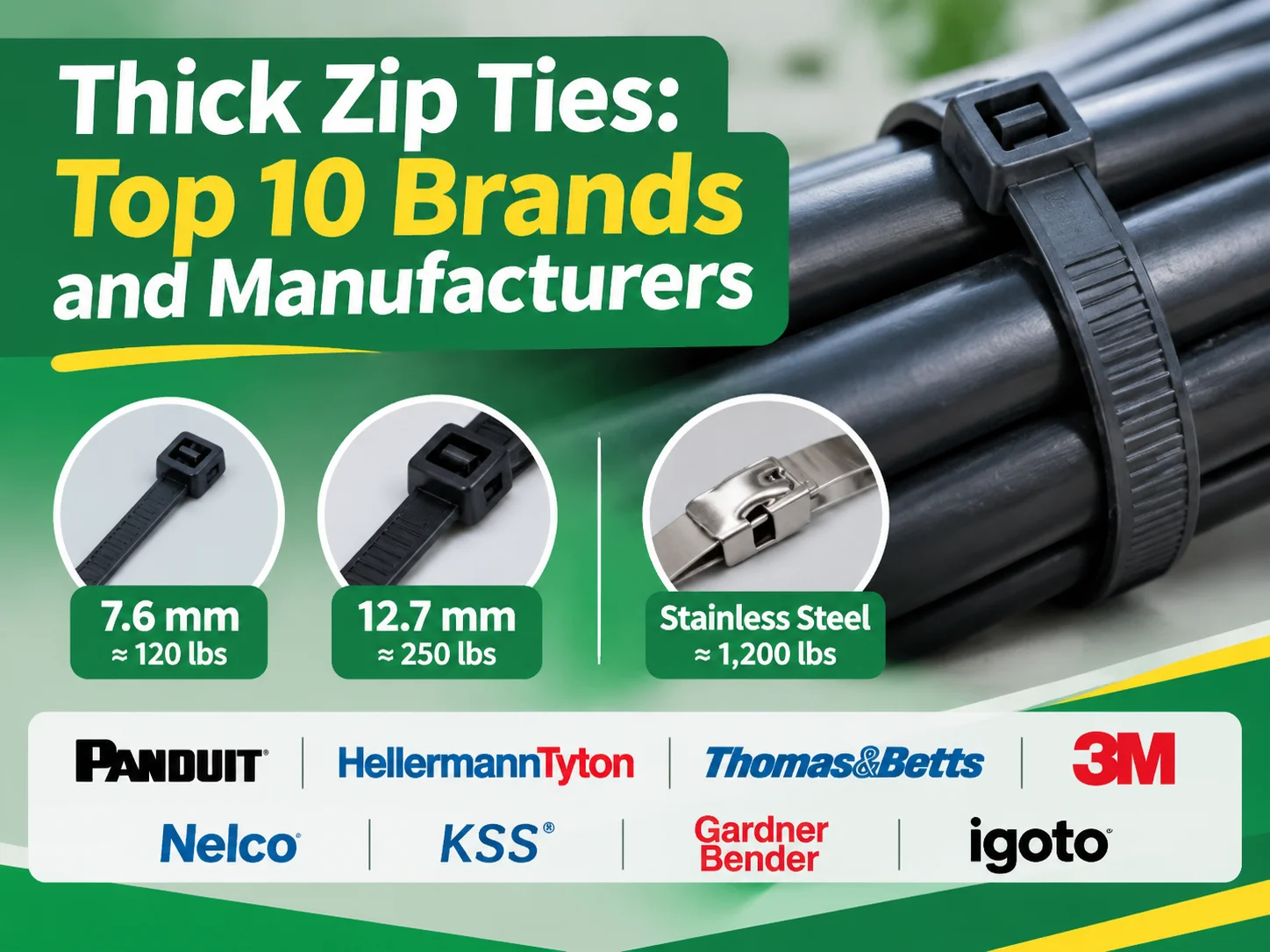
عندما يتعلق الأمر بأربطة الكابلات السميكة، سيكون العرض (بالمليمترات) هو أول شيء تراه مدرجًا؛ ومع ذلك، سيكون القياس الثاني هو قياس قوة الشد (بالرطل). الاثنان مرتبطان، لكن لا يمكن استخدامهما بالتبادل. على سبيل المثال، قد ينتج مصنعون مختلفون رباط كابل سميك بعرض 12.7 مم. قد ينتج مصنع واحد رباط كابل بعرض 12.7 مم بقوة شد 250 رطل، بينما قد ينتج مصنع آخر رباط كابل بعرض 12.7 مم بقوة شد 175 رطل. في هاتين الحالتين، من المهم ملاحظة أن قوة شد أربطة الكابلات السميكة تعتمد على تصميم القفل (pawl) وجودة البوليمر.
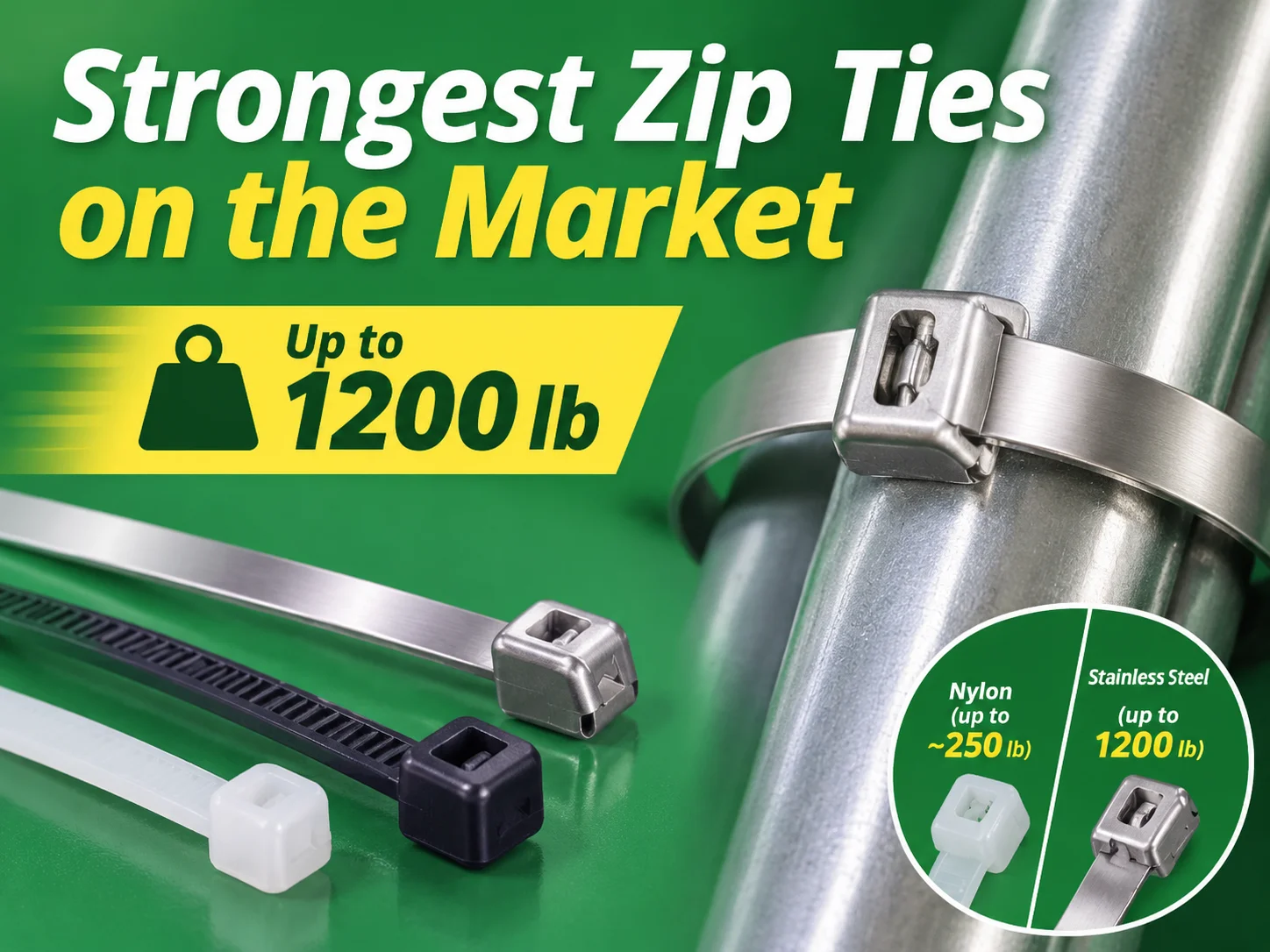
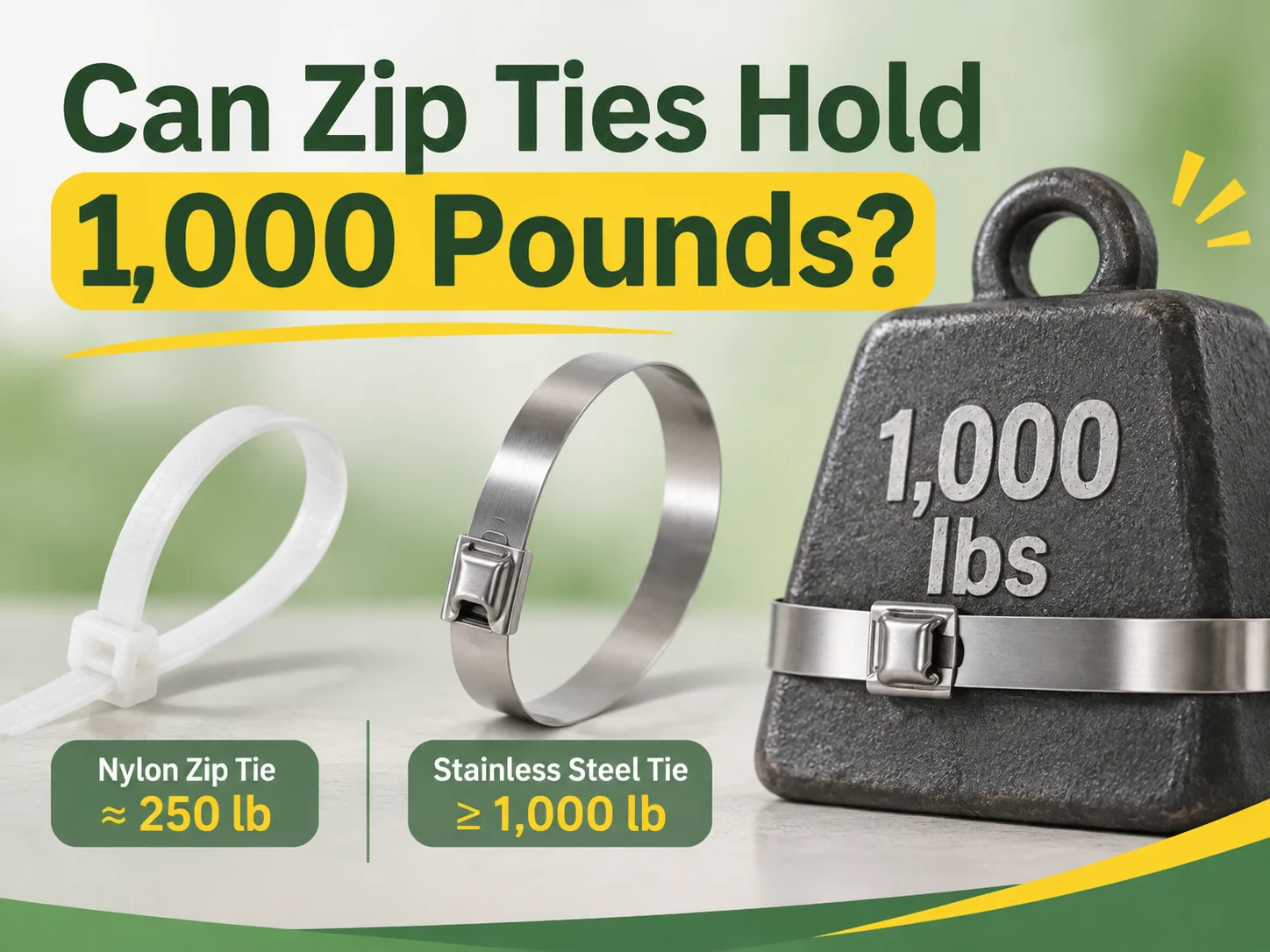
على سبيل المثال، عرض حوالي 7.6 مم وقوة شد 120 رطل يعتبر الحد الأدنى، بينما عرض حوالي 12.7 مم وقوة شد 250 رطل يعتبر الحد الأقصى لأربطة الكابلات المصنوعة من النايلون القياسي. أربطة الكابلات المصنوعة من شريط الفولاذ المقاوم للصدأ لها تصميمها الخاص وتسمح بأربطة كابلات بقوى شد قصوى تصل إلى 1,200 رطل. تتراوح أسعار أربطة الكابلات النايلون بعرض 7.6 مم من $10 إلى $25 لكل مئة، بينما تتراوح أسعار أربطة الكابلات النايلون بعرض 12.7 مم بين $25 و$60 لكل مئة، وأربطة الكابلات المصنوعة من الفولاذ المقاوم للصدأ بعرض 12.7 مم تتراوح بين $70 و$180 لكل مئة. المصنعون/المزيفون الذين سترغب في تضمينهم عند إنشاء قائمتك يشملون: Panduit، HellermannTyton، Thomas & Betts، 3M، Nelco، KSS، Gardner Bender، وIgoto. من بين هؤلاء المصنعين، يهيمن الأولان، Panduit وHellermannTyton، على السوق عندما يتعلق الأمر بـ المنتجات ذات المواصفات القياسية.
ستحدد الأقسام التالية من المقالة أربطة الكابلات السميكة، وتصف كيفية إنشاء قائمة مختصرة، وتقدم ملفًا تعريفيًا لعشرة مصنعين مع نقاط القوة والأسعار، وتقارن مستويات الشهادات، وترسم خريطة التطبيقات المختلفة لأنواع منتجات أربطة الكابلات السميكة المقابلة، وأخيرًا تشرح الفرق السعري بنسبة ثلاثة إلى واحد بين أسعار الجملة والتجزئة، وتراجع مكانة المورد المصنع.
نظرًا لأن العرض يتحكم في قوة الشد وسعة الحزمة، فإن العرض هو الاختصار المستخدم لهذا المجال؛ في حين يحدد الطول فقط القطر الأقصى للمنتج.
ما معنى “سميك” في رباط الكابل
تُصنع أربطة الكابلات بالأحجام التالية: صغيرة جدًا 2.5 مم (18 رطل)، قياسية 4.8 مم (50 رطل)، شديدة التحمل 7.6 مم (120 رطل)، شديدة التحمل جدًا 9 مم (175 رطل؛ بعض القوالب)، وأعرض نايلون قياسي بعرض 12.7 مم (حوالي 250 رطل). التصنيف العام لأي شيء سميك هو 7.6 مم أو أكبر، والنطاق النموذجي لأربطة الكابلات الصناعية يتراوح عمومًا بين 7.6 مم و12.7 مم.
تؤثر متغيران إضافيان على ما إذا كان الرباط السميك سيعمل بشكل صحيح؛ الأول هو القفل (السن القفل في الرأس)؛ نظرًا لأنه يحمل الحمل بأكمله، فإن الشريط العريض مع قفل صغير عادة ما يفشل عند الرأس بدلاً من الشريط. العامل الثاني هو البوليمر؛; نايلون 6/6 هو البوليمر القياسي المستخدم، لكن الدرجة المثبتة حراريًا أو المثبتة ضد الأشعة فوق البنفسجية تحافظ على قوة الشد في الظروف التي يفقد فيها النايلون 6/6 القياسي يفقد أكثر من 20 بالمائة من قدراته على مقاومة الشد. الحساب لتحديد العرض المناسب لقطر الحزمة مستقل عن تحديد الحجم المناسب لرباط الكابل؛ لذلك، عادةً ما يشير المشترون إلى جدول حجم رباط الكابل القياسي لهذه المعلومات.
معايير اختيار العشرة الأوائل
تم تطوير القائمة المعروضة أدناه بناءً على أربعة معايير، وليس على الحجم. يجب أن يكون لكل علامة تجارية خط حقيقي للأعمال الثقيلة لا يقل عن 7.6 مم وما فوق، وأن تمتلك شهادة معترف بها للمنتجات المباعة كمنتجات صناعية، وأن توفر التوزيع للمشترين في المشاريع في أكثر من منطقة، وأن تقدم بيانات مقاومة الشد التي يمكن التحقق منها مقابل معيار اختبار.
بالنسبة لغالبية مالكي الكتالوجات، إما أنهم يشترون نفس المنتج فقط كما يفعل كل مالك كتالوج آخر، أو يبيعون منتجًا بلا علامة تجارية وغير مستغل في البلاستيك، وليس كمنتج يحمل علامة. العديد من المنتجات في الحاويات البلاستيكية متاحة بالجملة، بأقل سعر، وبالتالي هي الأقل قابلية للتتبع. ومع ذلك، بالنسبة للمشترين بكميات كبيرة الذين لا يشترون أسماء العلامات التجارية،, الموردون المباشرون من المصنع يمثلون البديل الحقيقي الوحيد.
أفضل عشرة مصنعين: من هم وماذا يفعلون
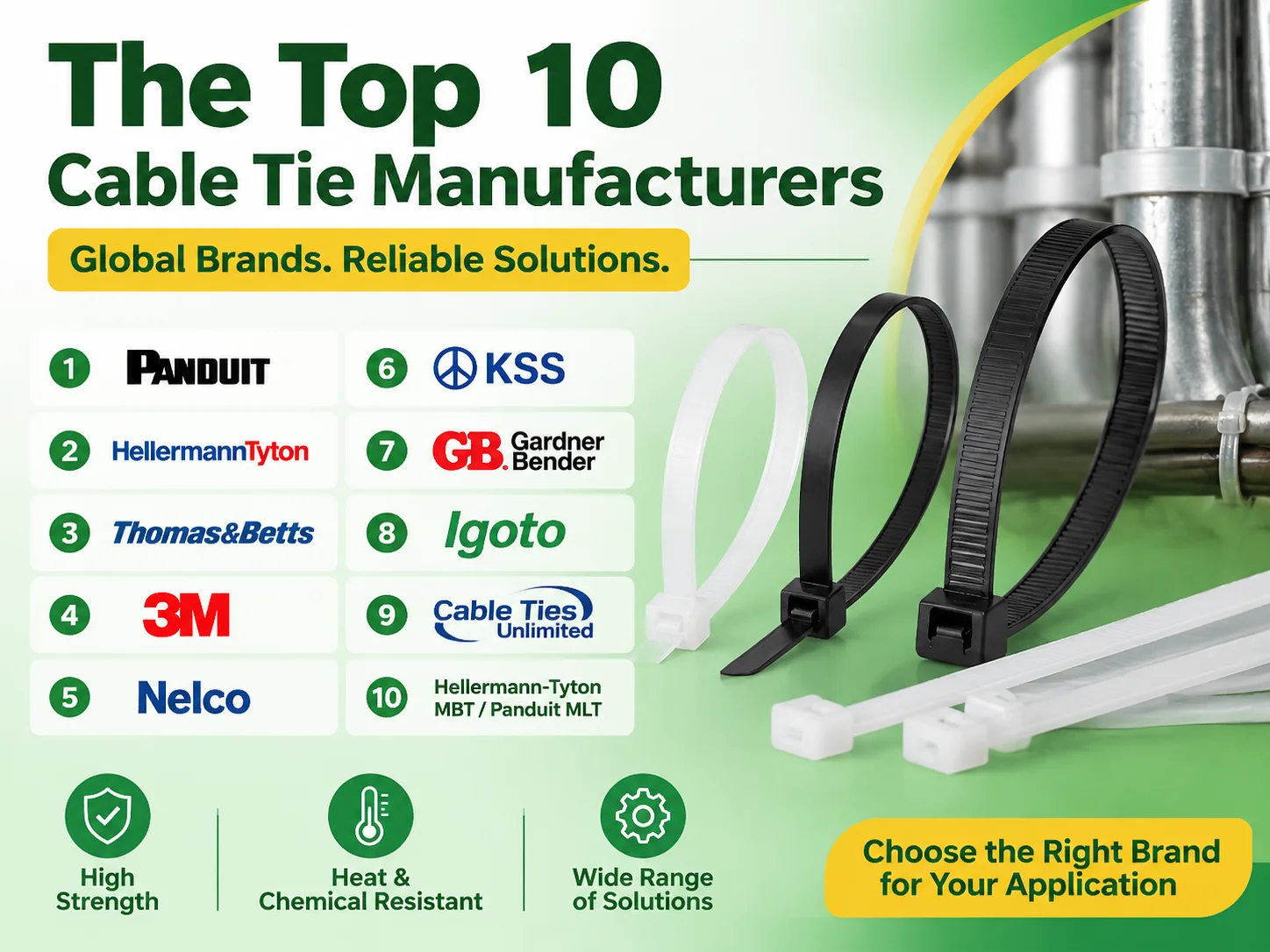
| العلامة التجارية | بلد المنشأ — الشركة المصنعة | عروض المنتجات |
|---|---|---|
| بانديت | الولايات المتحدة الأمريكية – إلينوي – إدارة الكابلات الصناعية | مجموعة واسعة من الحلول الصناعية، تقدم المعدن والنايلون بأسعار مميزة؛ التسعير التقليدي من 2.5 إلى 3 أضعاف سعر المصنع |
| هيلرمان تايتون | ألمانيا – هامبورغ – مزيج من المعدن والنايلون في خيار واحد؛ ملحقات متنوعة تعتمد على النوع | حلول مميزة بأسعار من 2.0 إلى 2.5 أضعاف سعر المصنع |
| توماس وبيتي | الولايات المتحدة الأمريكية – تينيسي – وصول كبير إلى قنوات الكهرباء؛ معرفة بموردي الكهرباء | تسعير متوسط مميز من 1.8 إلى 2.2 أضعاف سعر المصنع |
| 3M | الولايات المتحدة الأمريكية – مينيسوتا – تخصصات تشمل التركيبات الحساسة والقاسية | حلول مميزة فقط |
| نيلكو | الولايات المتحدة الأمريكية – ماساتشوستس – توفر منتجات متخصصة في عبوات صغيرة؛ توفر مجموعة واسعة من الأحجام لتجميع الإلكترونيات | تسعير متوسط مميز من 1.5 إلى 2.0 أضعاف سعر المصنع |
| كيسس | اليابان - طوكيو | تنتج حصريًا منتجات دقيقة معتمدة للسيارات — منتجات متوسطة مميزة بأسعار من 1.8 إلى 2.3 أضعاف سعر المصنع |
| غاردنر بندر | الولايات المتحدة الأمريكية – ويسكونسن؛ منتجات تباع لتجار الجملة والمقاولين تُنتج بموجب اتفاق جودة موحد | جودة متوسطة بأسعار من 1.3 إلى 1.8 أضعاف سعر المصنع |
| آي جوت أو | الصين - تشجيانغ؛ منتجات تباع مباشرة من المصنع، تشمل مجموعة شاملة من منتجات الربط المعدنية | منتج أساسي، تسعير مباشر من المصنع. |
| Cable Ties Unlimited | الولايات المتحدة الأمريكية – موزع متوسط الحجم، يوفر خط منتجات شامل (أي أربطة الكابلات)؛ لا يتطلب طلبًا أدنى؛ يوفر أحجامًا غير معتادة وطلبات صغيرة من أربطة الكابلات المصنوعة من الفولاذ المقاوم للصدأ | تسعير متوسط مميز من 1.4 إلى 2.0 أضعاف سعر المصنع. |
| Hellerman-Tyton MBT و Panduit MLT | تصنع في ألمانيا والولايات المتحدة الأمريكية على التوالي؛; | مصممة لدعم وحمل أوزان تزيد عن 1,200 رطل؛ مصنوعة من نفس المنتجات المعدنية التي تصنعها HellermanTyton – العديد من هذه المنتجات المعدنية متاحة من خلال شركات تصنيع أربطة الكابلات بأسعار مميزة. |
السعر المرتفع (2½-3 أضعاف سعر المصنع المعادل) هو العيب الرئيسي، بالإضافة إلى أن عمق الكتالوج يعني أنه غالبًا ما يستغرق وقتًا أطول للنظر في المنتجات مقارنة بتركيبها!
من المحتمل أن تكون HellermannTyton هي الخيار الأفضل، حيث لديهم مجموعة من المعادن والنايلون المتاحة مع ملحقات متطابقة. يوفر معدن MBT حمولة تتراوح بين 121-607 رطل (شريط واحد) مع تكوينات ملفوفة مزدوجة تم اختبارها حتى 7,000 نيوتن، ويوفر النايلون نطاقًا مشابهًا. عندما تبحث عن بائع واحد فقط لتغطية كلا فئتي المنتجات، فإنه عادةً ما يكون خيارك الأول.
Thomas & Betts (الآن علامة ABB) هي واحدة من تلك العلامات التجارية التي سيكون الكهربائيون على دراية بها؛ منتجاتهم مناسبة، لكنها ليست مبتكرة. نظرًا لأن هندستهم موجهة نحو سوق المقاولين وليس للمستهلكين ذوي الحجم الكبير، فإن أسعارهم تميل إلى أن تكون أقل من أسعار Panduit.
3M are the specialists when it comes to manufacturing products for harsh environments or with unique installation needs as well as for a small segment of the marketplace. If you have unusual requirements (chemical-resistant tie, or detectable products for food plants), that’s where you want to start your search.
Nelco Products and Cable Ties Unlimited are manufacturers that cater to small quantities of products. Neither of them manufacture items on a large scale, which is important because if you only need 50 stainless ties in four size options, neither of those companies will allow you to place a factory order.
KSS is a Japanese precision moulding manufacturer that focuses on automotive and electronics applications; in both cases the ties have to stand up to certain standards of vibration and heat. Gardner Bender is the retail face of KSS, and is a great product for contractors looking to buy off-the-shelf packages, but do not meet the specifications.
Igoto is the factory-direct option for our customers. It offers a wide variety of products from 2.5mm through 12.7mm in nylon and 4.6mm through 12.7mm stainless band, made from both type 304 and 316 stainless steel with and without coatings, and with width, length and packaging options available per order. Prices listed are factory prices without distributor margin, which is why the same tie sized at 12.7mm can be priced from $0.25 to $0.60 per?
Price Range by Brand Tier:
| المنتج | Factory Price | Branded Price |
|---|---|---|
| Nylon 7.6mm x 300mm pack of 100 | $10 to $18 | $22 to $40 |
| Nylon 9mm x 400mm pack of 100 | $15 to $28 | $35 to $55 |
| Nylon 12.7mm x 500mm pack of 100 | $25 to $45 | $60 to $110 |
| Stainless 4.6mm x 200mm pack of 100 | $20 to $35 | $45 to $80 |
| Stainless 12.7mm x 500mm pack of 100 | $70 to $120 | $160 to $300 |
| Tensioning Tool for Stainless | $150 to $300 | $350 to $600 |
The difference indicated by the multiplier factor between the two columns is attributed to the cost of maintaining inventory in a specific region and having a datasheet available for reference, as well as the ability to answer technical questions. For a manufacturer that purchases 1,000 ties per year, that investment would be justifiable; however, for an OEM that purchases 200,000 ties per year, that investment would not be justified, which is why factory-direct supply is available.
Perhaps the most undervalued item in the table is the tensioning tool.
When a stainless steel tie is manually pulled, it often does not produce full tension (half or less than the stated rating) because the tensile rating is created from the stated tension required to grip the locking balls. Hence, if you have a project with 300 ties and do not have any type of tool, then the entire project is going to result in 300 ties that are potentially less than full tension.
Certifications that Matter:
There are four ways to distinguish a specified product from those that can only be purchased. The following are the essential certifications necessary for a tie:
- UL recognition with a file number. The recognition provides the actual test rating for the tie, which may differ from what a seller would like to claim. The file number can be independently verified.
- Tensile testing data against a named standard. A loop tensile number without testing method is merely marketing. Tensile test standards, such as ASTM D2671, are acceptable if the method is provided in the documentation.
- Material declaration. All nylon ties should be identified as nylon 6/6. Stainless steel ties must be rated as either 304 or 316 quality. It is important to know that a 316 tie will cost between 20 and 40 percent more and behave differently when in contact with chlorides.
- Flammability and temperature ratings when applicable. If the application specifies a tunnel or rail car, there will be fire codes associated with these products as well as for plenum-type products; the certifications associated with a product are what audit documentation is looking for, and confirming this is easier before placing your order than after.
Application Selection
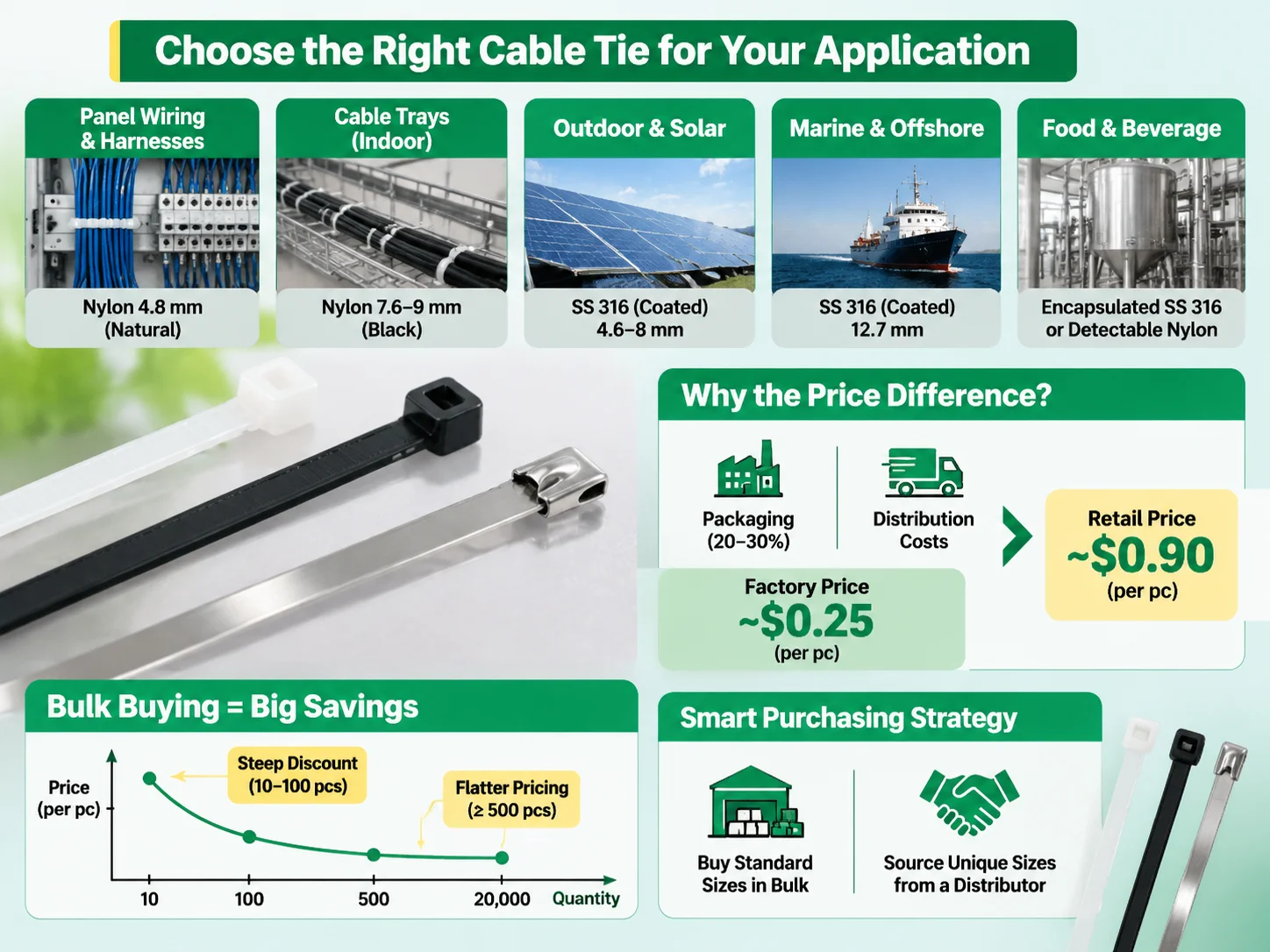
| التطبيق | المنتج | Reason |
|---|---|---|
| Panel wiring and harnesses | Traditional Nylon 4.8 mm, Natural | (Economical, Quick, Sufficient for smaller bundles). |
| Cable tray application inside a plant | Traditional Nylon 7.6 mm to 9 mm, Black | Strength for reasonable cost. |
| Use in outdoor and solar power applications | Traditional Stainless Steel 316, 4.6 mm to 8 mm, Coated | Affected by UV and Thermal Cycling and have no Creep. |
| Marine and Offshore use | Traditional Stainless Steel 316, 12.7 mm, Coated | Affected by Salt Spray, Vibration and Fire Load. |
| Use in Food and Beverage Plants | Encapsulated Stainless Steel 316 or Detectable Nylon | Effects of wash-downs, need for detection and no sharp cut ends. |
| Use in Heavy Cable Riser | Traditional Stainless Steel 12.7 mm, Double Wrapped | Loads beyond the capacity of a single band. |
Choice of nylon represents an inconvenience for failure; choice of stainless represents a cost and/or safety reason. The guide for heavy-duty cable ties is developed based on the width and the material selection process as stated.
Wholesaler and Retailer: Possible Reason for Price Difference
A factory price for a 12.7 mm Nylon Tie will typically be around $0.25 each (or less) compared to approximately $0.90 at a retail peg (some stores offer them for even more than this). The difference is not a markup on the same item, but instead is due to three distinct cost factors.
التعبئة – a retail bag of 100 with a printed header produces more costs per unit than a bulk bag of 1,000 and has higher labour costs associated with producing the package. This accounts for approximately 20-30% of the overall difference in price.
Distribution – the distribution process includes maintaining stock on hand, providing credit to customers, handling returns, and staffing a counter.This cost is a real expense that gets absorbed into the per-unit cost of a product, which is also why a product’s trade price will generally be higher than that of the factory.
When it comes to volume, the steepest discounting occurs between 10 and 100 pieces with the curve flattening out at 500 pieces; this is due to fixed costs associated with set-up and inspection, rather than materials. A buyer that orders 200 pieces will be charged close to the 100-piece price point, while a buyer that orders 20,000 will be able to negotiate a completely different pricing structure.
In a project, an effective split would be to purchase bulk quantities of the most common sizes (standard sizes) and to source the unique sizes through a distributor. If a plant were to standardise on three widths of cable ties and one size of stainless cable tie, it could purchase all of these items in bulk within a single container. Any one-off requirements can typically be sourced from a local distributor’s inventory. Because the retail unit is normally packaged in packs of 100 cable ties, having a standard 8-inch pack as the typical retail unit is a good example of how packaging drives a shelf price, rather than the manufacturer’s suggested retail price (MSRP) based on the highest price point.
Where Does Igoto Fit In?
Igoto Manufacturers produces our cable ties from a range of sizes, covering sizes from 2.5mm to 12.7mm in Nylon 6/6 and sizes from 4.6mm to 12.7mm using a stainless band from both 304 and 316 grades, in both coated and uncoated forms. The vast majority of cable tie volume is shipped to distributors, panel builders and OEMs, who typically have a need for a standard product within multiple sizes, rather than a single, hero-product.
Heavy Duty Cable Tie manufacturing is structured as contracts for long-term supply and for container quantities, this is what creates a factory price as compared to a distributor’s price.
The standard volume product for general cable work in most of the industry is the 8” Black UV Cable Tie, which shows the most price difference to a branded equivalent throughout the industry.
We will not make the claim that a nylon cable tie can hold 1000 pounds. There are no nylon ties on the market capable of such a weight, and a customer finding this out in the field will not return; therefore, this is not good business practice and not good engineering.
الأسئلة الشائعة
What is the widest nylon cable tie available?
The widest practical nylon tie available is 12.7mm (0.5″), with a rating of around 250 pounds. Ties above this width are used with a different family of products — stainless steel band ties. The largest stainless steel band ties from Panduit and Hellermann/Tyton can support up to and over 1200 pounds. The limitation of weight for nylon ties is due to the moulded pawl (the locking mechanism); when the pawl fails, the tie fails long before the strap.
Are the more expensive cable ties worth the extra cost?
The answer depends on the application. For cable bundles within an enclosure, a factory tie functions the same as a branded tie at one-third the cost. For an installed outdoor application or one where safety is paramount, the extra cost of the branded product is offset by having an established supplier who stands behind their products with a verifiable certification, a documented test report, and the ability to answer customer questions.
The tie style to be avoided is a generic brand with a photocopied certificate.
What is the contrast between Heavy Duty and Thick Zip Ties?
They are two ways of defining the identical product. Heavy Duty is a tensile classification, generally 120 lbs. and up, which corresponds to a tie width of 7.6 mm; while Thick is a physical description of the same strap. For example, a 9 mm tie is referred to as both Thick and Heavy Duty, and a 12.7 mm is the heaviest standard size both in definition.
What tensile strength can a 12.7 mm zip tie support?
It has a tensile strength of about 250 lbs. As a loop tension on a new tie at room temperature, it has a working load of approximately 60 lbs, assuming a safety factor of 4 to 1. In use, the rating decreases due to exposure to sharp edges, heat, and UV rays. Using two ties around the same set of bundles does not increase the load capacity because both ties will rarely support the load equally.
Sources
- Panduit – Cable Ties and Pan-Steel Stainless Steel Cable Tie Systems.
- HellermannTyton – Cable Ties Range and MBT Metal Ties
- Thomas & Betts – Cable Management and Support Products
- UL Solutions – Cable Tie Testing and Recognition.
- Cable Ties Unlimited – Tensile Ratings and Material Data
Summary
يتم تحديد روابط الكابل السميكة حسب العرض، حيث يكون الحد الأقصى للعرض 12.7 مم، مع تصنيف شد يبلغ حوالي 250 رطل للنايلون؛ و250 رطل لجميع الأشرطة المصنوعة من الفولاذ المقاوم للصدأ تقع في فئة منتجات مختلفة، وعادة ما تكلف أكثر، ولها متطلبات تركيب مختلفة تمامًا.
Deciding to utilize an OEM branded tie vs. a no-name tie is a decision regarding recourse. The difference in price between an OEM branded tie with the same attributes and a factory tie can be as much as three times, with very little variance in performance between the two, with what you receive by spending more is a certificate, a data sheet and someone to call if you need assistance. For a manufacturing facility, that is often worth the investment, while for an original equipment manufacturer (OEM) shipping the product, it seldom is.