





Arte e Artesanato com Fitas de Fecho: Artistas, Exposições e Ideias de DIY
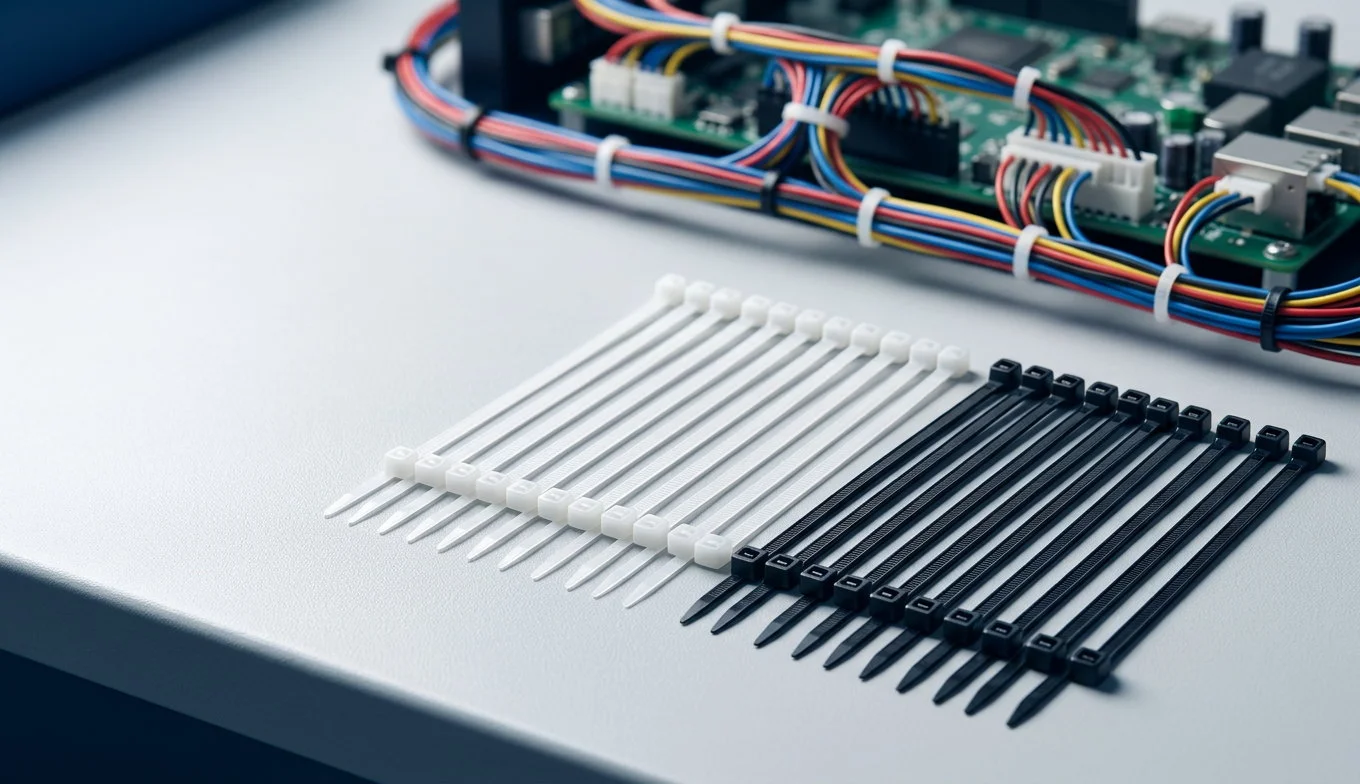
Se você passear por qualquer corredor de ferramentas, descobrirá que o zip tie é o objeto menos poético na prateleira. É apenas uma tira de nylon, uma série de dentes e uma pequena cabeça de bloqueio. Mas em estúdios de Nova York a Montreal, arte com zip tie transformou este produto reutilizável comum em um dos materiais escultóricos surpreendentes das últimas duas décadas. Milhares de zip ties são usados por artistas para criar recifes de coral brilhantes, pendentes pixelados e “seres” alienígenas, que “crescem” nos parques das cidades. O mesmo item industrialmente repetitivo e barato que amarra fios atrás da sua TV agora pode se tornar um meio para discutir cultura de consumo, identidade e formas da natureza.
Este guia incluirá informações sobre os artistas que tornaram este meio famoso, exposições significativas e projetos públicos, as ideias das obras, informações práticas sobre artes e ofícios com zip tie que podem ser feitos em casa, e como escolher os zip ties certos para seu trabalho criativo.
A arte com zip tie é escultura moderna, instalação e construção feitas principalmente de laços de nylon. Os artistas aproveitam o sistema de auto-bloqueio fornecido pelos laços, a aparência consistente proporcionada pela mesma forma e a natureza barata dos laços que permite trabalhar em grande escala. Alguns dos principais praticantes dessa forma de arte incluem Sui Park, Elisabeth Picard e Sarah Leuchtner, cuja arte destaca os efeitos da produção em massa e do consumismo.
Por que os Zip Ties se Tornaram um Material Artístico Sério
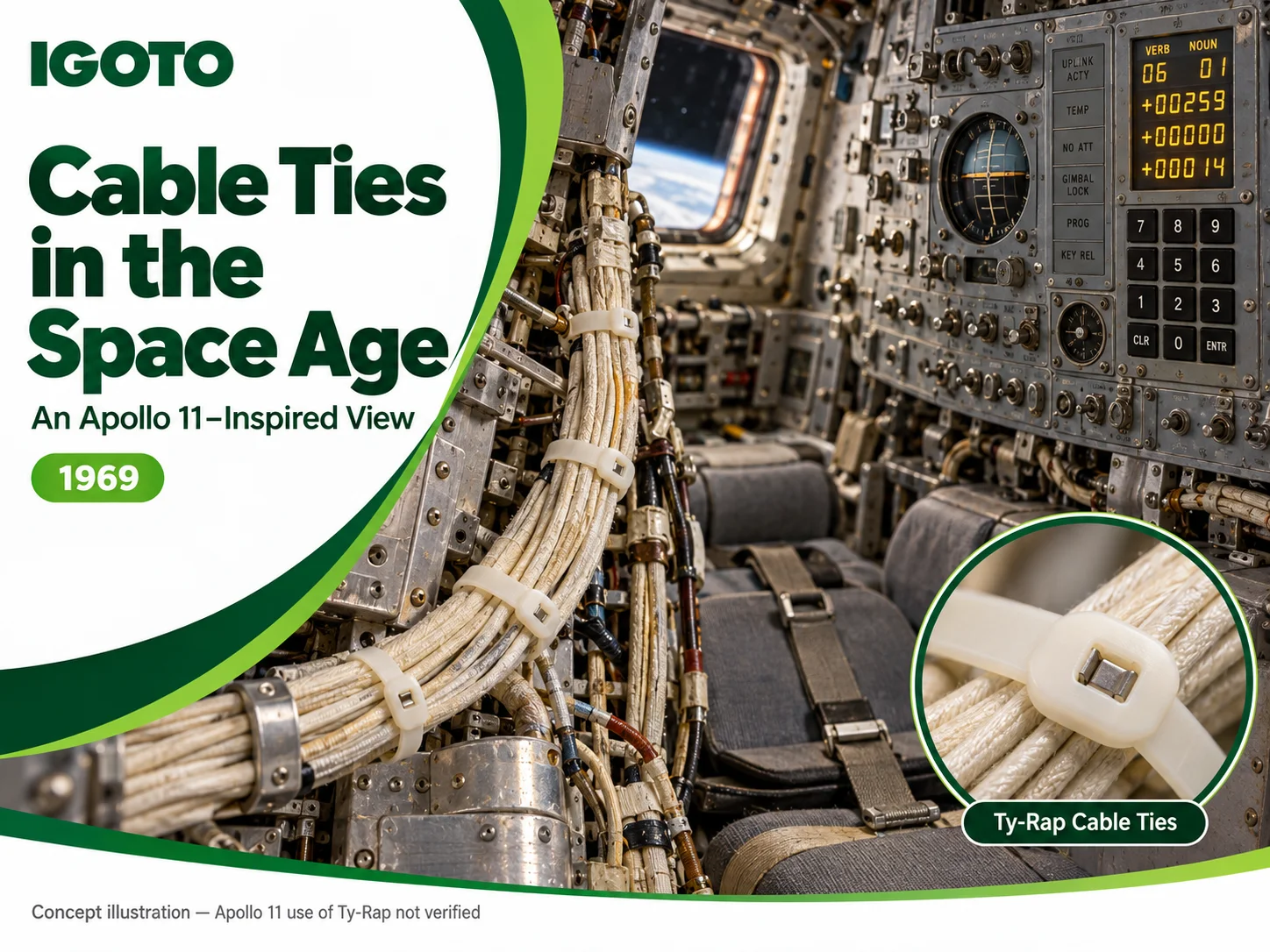
O cabo de amarração nasceu como uma solução puramente industrial. O engenheiro elétrico Maurus Logan o desenvolveu no final da década de 1950, após ver trabalhadores de aeronaves lutando para agrupar milhas de fiação à mão, e o design se tornou o original cabo de amarração Ty-Rap. Ninguém envolvido imaginou que ele estaria pendurado em uma galeria. É exatamente por isso que os artistas o acham interessante.
Quatro qualidades tornam o zip tie incomumente expressivo:
- É sua própria junção. Graças ao mecanismo de catraca auto-bloqueante, cada laço pode se prender a outro laço sem cola, soldagem ou ferramentas. Uma escultura pode se desenvolver laço por laço, assim como uma célula que se reproduz.
É um módulo ideal. Cada laço deste lote é praticamente o mesmo. Uma vez que você replica a mesma peça milhares de vezes, você obtém uma textura, ritmo e design que não podem ser produzidos com um único objeto.
É barato e sem destaque. Um zip tie não vale a pena ser mencionado. Sua aplicação em números tão grandes enfatiza quanto plástico descartável temos ao nosso redor, daí porque é ideal para destacar a produção em massa através da arte.
Ele age como fibra. Um laço pode ser cortado, dobrado, lequeado ou tecido de uma maneira que o faz funcionar como um fio rígido, não como um item plástico.
É evidente que muitos renomados artistas de zip tie têm um histórico em produção têxtil, pois muitas vezes suas obras parecem ter sido feitas com o uso de técnicas têxteis.
Todas as qualidades mencionadas acima dão origem à ideia de mensagem dupla. 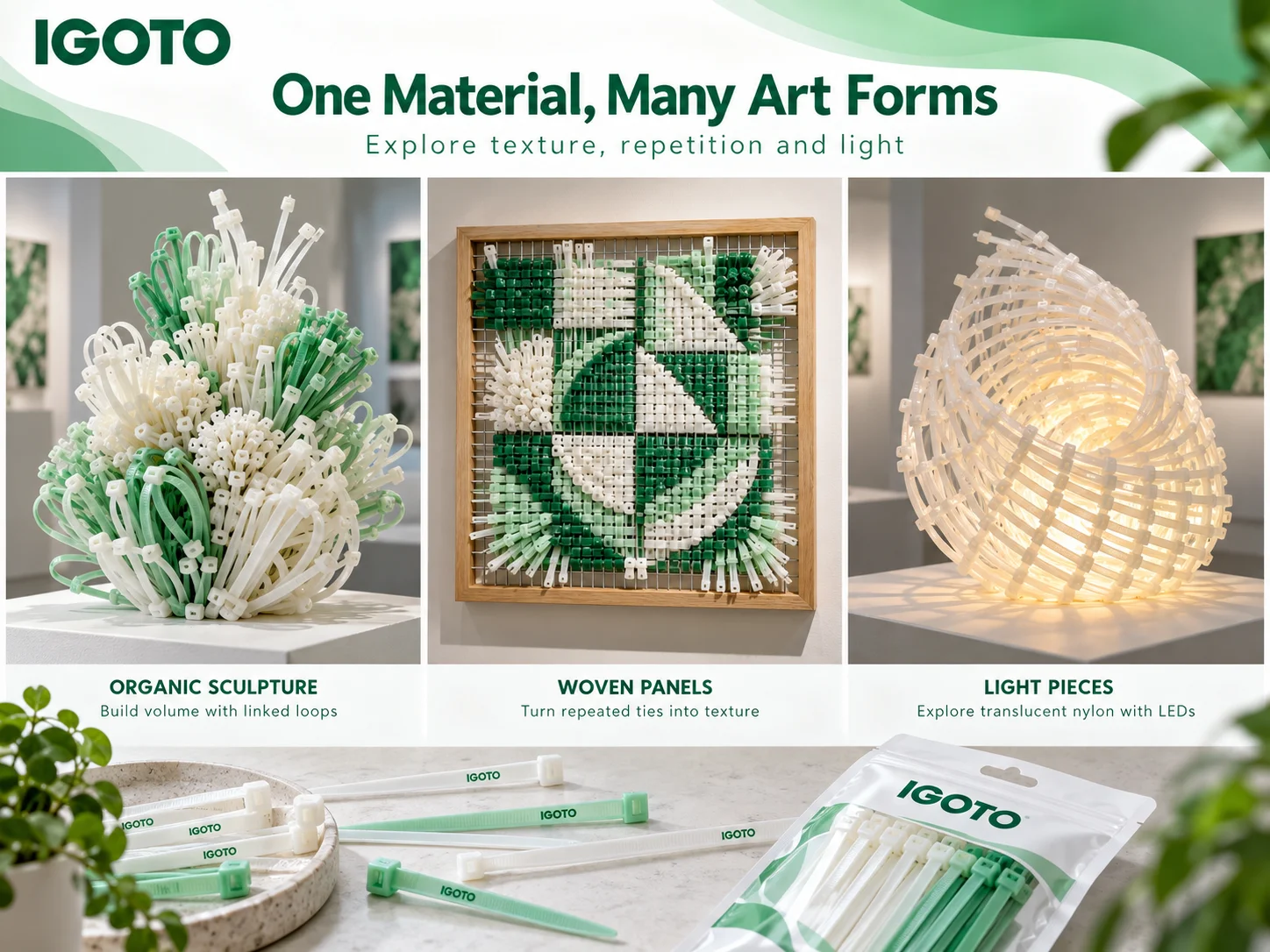
Famosos Artistas de Zip Tie e Suas Obras
Os artistas abaixo estão entre os nomes mais documentados em arte com zip tie. Cada um usa o mesmo material básico de uma maneira muito diferente.
Sui Park: Formas Orgânicas de Plástico Industrial
Se nos referirmos ao meio, não poderia ser outro senão Sui Park. Ela nasceu em Seul e sua cidade natal é Nova York. Park se formou na Ewha Womans University com um BFA e MFA em artes têxteis e se treinou em arquitetura e design de interiores. As esculturas criadas por ela são feitas de laços de cabo torcidos em formas biomórficas como anêmonas do mar, esporos, musgo e ondas rolando à noite.
Park usa o método de tingimento para afetar a aparência do material que é amplamente utilizado. Ela afirmou que cada peça varia em um ângulo particular. Além disso, a acumulação desses detalhes dá vida às obras de arte. Seus trabalhos mais recentes, como Mistura Fermentada ou Molécula, combinam vários tons e sugerem que a unidade será alcançada se as pessoas se unirem.
Elisabeth Picard: Ecossistemas de Laços de Cabo Brilhantes
Elisabeth Picard é uma artista de Montreal que enrola, dobra e também tece laços de cabo para formar formas luminosas que se assemelham a formações minerais, microorganismos e animais encontrados em águas profundas. Ela tem trabalhado com esse meio desde 2011 e estima-se que tenha usado mais de 300.000 laços de cabo até agora desde que começou a usá-los. Picard colore os laços de cabo usando cores pastel, cores naturais, bem como cores fluorescentes que brilham sob raios UV. Além disso, ela usa caixas de luz ou painéis brilhantes para iluminar o material de nylon.
Uma de suas primeiras instalações, intitulada “Flot” (2011), consistia em 15.000 laços de cabo, além de vidro, aço e luz fluorescente. Seu outro trabalho apresenta títulos como “Chlorophyta”, “Navicula” e “Strongylocentrotus”, e são baseados em nomes de algas e ouriços-do-mar, respectivamente.
Sarah Leuchtner: A Tece de Laços de Cabo Encontra a Pintura
Sarah Leuchtner, uma artista de Chicago, estudou na School of Art Institute of Chicago e descobriu os laços de cabo por acaso. Ela tinha pilhas de laços de cabo caseiros em sua coleção que não eram de muita utilidade até que ela se deparou com uma rede de galinha. Isso a inspirou a empurrar os laços de cabo pela rede e fechá-los.
Como resultado, a artista criou esses itens de dois lados com tubos de cobre usados para emoldurar as peças. De um lado, suas obras parecem macias e fofas, enquanto do outro lado parecem lisas e uniformes. Ela também tinge os laços de cabo à mão, em vez de usar cores de fábrica, o que adiciona autenticidade ao seu trabalho.
Pavel Sinev: Figuras de Fio Mantidas Juntas por Laços de Cabo
Nem todos os artistas escondem o laço de cabo dentro da forma. Pavel Sinev envolve uma mistura de fios pretos e brancos em formas tridimensionais, tanto simples quanto um tanto surreais, e usa laços de cabo para garantir a forma. Enquanto o resultado mantém a função original do laço de cabo, ou seja, amarrar o fio, cria uma nova maneira de usar o laço de cabo. Às vezes, as melhores obras de arte com laços de cabo permitem que o fecho desempenhe sua função básica em um novo cenário.
Arthur Zorn: A Beleza dos Laços Usados
O artista de Vermont, Arthur Zorn, criou uma escultura de seis pés chamada “Set Free” usando laços zip usados. Ele disse em sua declaração de artista que usou cerca de 30 laços para segurar galhos enquanto montava um balanço de banco, do qual teve que remover todos os laços uma vez que a estrutura estava estável. A obra de arte foi exibida no Chaffee Art Center em Rutland em 2025 como parte da exposição chamada “Reimagined II: The Art of Recycling.” O tamanho desta peça é modesto em comparação com o de Park e Picad, mas sua incorporação da ideia de upcycling é impressionante.
Laços Zip como Dados e Identidade
Os laços zip também são parte da arte de dados, como visto em uma peça publicada pela revista de visualização de dados Nightingale. Na peça, um artista criou um “retrato” da comunidade onde uma cor do laço zip representava o conjunto especial de habilidades obtidas pelo indivíduo e o comprimento da cauda indicava o nível de proficiência de 1-3 cm ou não tinha nenhuma. Uma vez pintada e fotografada, a imagem transformou dados de um gráfico em um objeto físico. É uma solução interessante para o problema de como mostrar a individualidade através de objetos produzidos em massa.
Exibições de Laços Zip e Projetos Públicos que Vale a Pena Conhecer
A escultura de laços zip não é mais um ato de novidade. Ela aparece em parques, feiras de arte, residências e exposições em grupo curadas. Aqui estão alguns exemplos notáveis:
| Projeto | Artista | Onde e quando | Por que isso importa |
|---|---|---|---|
| Ecologia da Cidade | Sui Park | Bella Abzug Park, Hudson Yards, Nova Iorque, 2023 | 32 esculturas coloridas aninhadas em canteiros de flores, misturando plástico e plantas em espaço público |
| Onde o Vento Fica | Sui Park | I-Park Foundation, East Haddam, Connecticut, 2021 | Uma obra específica para o local ao ar livre usando laços de cabo e monofilamento |
| Site-specific installation | Sui Park | The Flux Art Fair, Marcus Garvey Park, New York, 2016 | An early example of zip tie sculpture shown outdoors to a general public |
| Ties That Bind | Group show, eight artists including Sui Park | Fowler-Kellogg Art Center, Chautauqua Institution, New York, 2018 | A lace-themed exhibition that used zip ties and other line-based materials to explore intricacy and connection |
| Reimagined II: The Art of Recycling | Group show including Arthur Zorn | Chaffee Art Center, Rutland, Vermont, 2025 | Placed spent zip ties alongside other reclaimed materials in an upcycling context |
City Ecology deserves special mention. Installing plastic sculptures in real flower beds forces a direct comparison between living plants and synthetic imitations, and viewers are left to decide which one looks more alive. If you are planning an outdoor piece of your own, it helps to understand quanto tempo as braçadeiras duram do lado de fora before committing to a season-long display.
The Chautauqua show is interesting for a different reason. Its curator set out to make an exhibition about lace, then realized the idea of lace could be expressed through many materials. Zip ties earned a place because, like lace, a structure full of gaps can still be strong. That is a neat summary of what a woven cable tie form actually is.
The Big Themes: Consumerism, Identity, and Nature
When looking at the works shown above, certain conversations come up.
Consumerism and waste come into play here. The zip tie is made to be discarded immediately after use, and artists who have accumulated thousands of plastic ties into one sculpture shine a light on this very aspect of these plastic structures. Zorn’s ties and the rest of the movement of recycled art point to the problem very evidently; whereas in Picard and Park’s works this concept is conveyed more subtly by showing how an object made out of something associated with waste can be beautiful.
The aspect of identity and belonging surfaces in the works too. Although each tie is identical to the other tie, joined in groups and colored, all of them create something new. The mixed-color pieces by Park and the Roxanne data portrait emphasize that difference by showing how we interact with each other.
Nature versus the synthetic is another discussion note that can come up as related to their works. The zip tie is about as synthetic as a material can get, yet the zip tie sculptures look like living organisms. It is interesting that the more the imitation is successful, the more uneasy the viewer feels, as they realize that the materials being used in the artwork have penetrated nature already.
Zip Tie Arts and Crafts You Can Make at Home
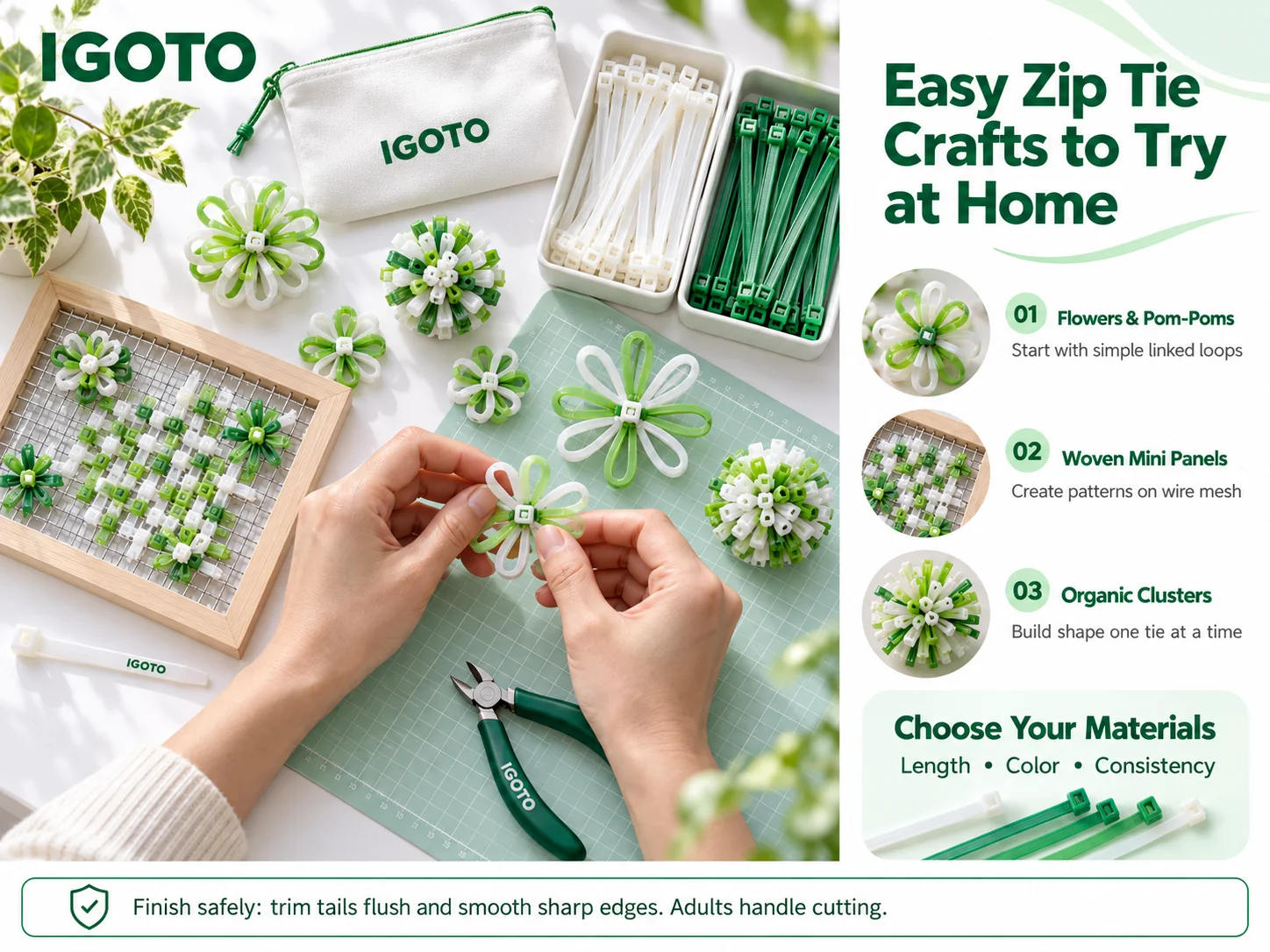
You do not need a gallery budget to try the medium. Most beginner zip tie arts and crafts use only a bag of mixed ties, flush cutters, and patience. Here are projects that answer the common question of what you can actually make out of zip ties, ordered roughly from easiest to most ambitious.
1. Zip-Tie Flowers & Pom-Poms
Take one zip tie and close it into a tiny circle to form the base. Weave in anywhere from 20 to 40 more zip ties into it, locking each and cutting different tail lengths afterward. Spread the tails apart to make a pom-pom. Bright assorted color zip ties make this an easy project with kids or a classroom.
2. Sui Park-Style “Organism” Clusters
Create a chain of chains and keep adding zip ties on different angles. The installation will begin taking shape on its own. Put together a few small pieces on one wall, and you will get a mini version of those Sui Park’s life-form installations that inspired many scholo art clubs.
3. Woven Panel on Chicken Wire
This technique reminds of Leuchtner’s method but is done on a smaller scale. Cut a rectangle or square piece out of a chicken wire, come up with a pattern, and start threading zip ties through hexagons of the wire, and then zip them shut, using colors to fill in the pattern. You may leave the tails long or short, depending on whether you want to get a shaggy look or not. You may also frame the finished piece with wooden strips or pieces of copper pipe to underline its ornamental nature.
4. Lampshades and Light Pieces
As the material is translucent and white, it makes wonderful glowing lighting pieces. This is why Picard uses light boxes. You can wrap zip ties around the frame of a wire lamp shade, or make a free form shell around a low-powered LED bulb.
5. Crowns, Headbands, and Costume Pieces
Fix ties on intervals on a base loop, and leaving its ends straight gives the effect of a crown with spikes. Apply metallic color to it for the purpose of a costume or festival. For the pieces that will be used by people, take time to round off every cut end.
Note: an end of a cut zip tie will have a sharp edge. Any crafting that requires the item to be touched or worn should have its ends cut flat and smoothly sanded. Adults are responsible for cutting the items and being around children while doing it.
6. A Data Portrait of Your Family or Team
Borrow the Nightingale idea: assign each color to a category (a hobby, a skill, a favorite food), let tail length represent how strong the connection is, and arrange the ties on dowels or a board. It is a craft, an infographic, and a conversation starter all at once.
Tips for Better Results
- Buy more than you think you need. Sculptural pieces eat ties fast, and running out mid-project breaks color consistency.
- If you make a mistake, you do not always have to cut. Learn how to desfazer abraçadeiras sem cortar so you can reposition ties while a piece is still taking shape.
- For temporary displays such as school fairs or events, consider releasable ties from our guide to reusable fastening solutions for temporary setups.
- Scale matters. Tiny ties create dense, furry textures; long ties create bold, graphic lines. For ambitious projects, even the world’s biggest zip ties have found their way into record attempts and oversized displays.
How to Choose Zip Ties for Art Projects
An artist requires different materials and tools than an electrician. While tensile strength is not important for decorative arts such as constructing a flower or wall panel, length, color, finish, and constancy remains highly relevant.
Length and width. For small sculptures, short miniature ties with a length of about 100 mm will be perfect. Standard ties (150-200 mm) provide great versatility for sculptures in general. Order larger ties if needed for crowns and big flowers or structural frames. Our tie wrap sizes guide lays out the standard lengths and widths.
Color. Only natural translucent or white nylon provides the needed base for dyeing and designing light sculptures. Although uses of colored ties allow achieving greater results, it limits color palette. Both Park and Picard manufacture ties by themselves because nylon most effectively accepts colors formulated for artificial fibers. Such dyes are usually dissolved in hot water allowing for smooth color changes.
Constancy. When making a large sculpture, only ties of the same production batch should be used. Slight differences in color and head size are noticeable when the ties are together. Buying large quantities from the manufacturer will help professional artists a lot in this area.
If you are going to construct some outdoor sculptures, you should consider that standard natural nylon and colored nylon forms degrade fast under the sun and become brittle with one or two seasons. For garden sculptures and public art installations, you should opt for UV-stabilized ties that usually come in black or consider the project as temporary in case of not having the needed materials.
Perguntas Frequentes
What can I make out of zip ties?
Popular zip tie projects include flowers and pom-poms, wall sculptures, woven panels on chicken wire, lampshades, crowns and headbands, garland, holiday ornaments, and data art. Beyond crafts, zip ties are also practical for building frames, organizing supplies, and mounting other artwork.
What are some things I can make with zip ties as a beginner?
Start with a zip tie flower or pom-pom: it needs only a bag of mixed colors and cutters, and it teaches you how ties link and fan out. Once that feels easy, try a small woven panel or a cluster sculpture inspired by Sui Park.
Como os britânicos chamam as cintas de cabo?
In the UK, zip ties are most commonly called cable ties. You may also hear tie wraps, and some people use brand-derived names. In North America, “zip tie” is the everyday term, while “cable tie” dominates in industry. They are the same product.
What is the hottest craft right now for adults?
Trends shift constantly, but upcycling and mixed-media crafts that turn everyday materials into decor continue to attract adult makers. Zip tie weaving fits neatly into that space: it is inexpensive, relaxing, and scales from a small ornament to a gallery-style wall piece.
Is zip tie art the same as tie-dye or necktie crafts?
No, although search engines often mix them up because of the word “tie.” Tie-dye is a fabric dyeing technique, and necktie crafts repurpose old men’s ties into quilts, bags, or pillows. Zip tie art uses nylon cable ties. That said, the worlds overlap slightly: zip tie artists often dye their ties, and a zip tie is a great tool for binding fabric in tie-dye projects.
Can zip tie art last for years?
Indoors, away from direct sunlight and heat, a well-made nylon zip tie sculpture can last for many years. Outdoors, lifespan depends heavily on UV exposure and whether you used UV-stabilized ties.
Referências
- Sui Park, Wikipedia
- Otherworldly Zip-Tie Sculptures by Sui Park Crawl Across Galleries and Sprout in City Parks, Colossal
- Interlocking Cable Ties Form Undulating Water and Biomorphic Sculptures by Sui Park, Colossal
- Luminescent Zip-Tie Formations by Elisabeth Picard, Colossal
- Sarah Leuchtner Elevates Zip Ties in Her Tactile Art, LUXE Interiors + Design
- Electrifying Art: Sculptures Made of Wire and Cable Ties, WebUrbanist
- Ties That Bind Exhibit, The Chautauquan Daily
- Reimagined II: The Art of Recycling, Rutland Herald
- Plastic Portrait: Visualizing Technical Skills Through Cable Ties, Nightingale
- Maurus Logan, Salão da Fama dos Inventores Nacionais
Conclusão
The zip tie was invented to solve a wiring problem on an aircraft factory floor. Decades later, it has become a medium for some of the most inventive sculpture being made today, from Sui Park’s park-bed organisms to Elisabeth Picard’s glowing reefs and Sarah Leuchtner’s woven fringe. The possibilities of arte com zip tie are still expanding, whether artists are questioning consumer culture, exploring identity, or imitating the forms of nature. And the material’s greatest strength may be how accessible it is: a bag of ties and an afternoon are enough to start. Sometimes the most powerful art really does begin with the most ordinary material.
Índice
Recomendação
-
 Ty-Rap Laços de Cabo Explicados: Por Que os Rovers da NASA os Usam2026-09-24
 -
 A História das Algemas de Zip Tie e Por Que a Polícia Ainda as Usa2026-09-23
 -
 Soluções de Fixação Reutilizáveis para Montagens Temporárias2026-09-22
 -
 Laços de Cabo de Identificação: Guia de Bandeira, Numerados e Serializados2026-09-21