



What Are the Best Zip Ties to Buy?
The phrase “which zip ties are the best” may sound easy enough to answer, but once you step into any hardware store or check various offers online, you will realize it is not. Zip ties have different colors (black, white), materials (nylon, steel), purposes (heavy-duty, light) and sizes (a pack of ten or a box with a thousand). The best zip tie depends on the task it will be used for, but it is possible to name the best choice for the most common application with each category of zip ties and brands. The article is about the most suitable zip ties, characteristics of the brands providing good zip ties, prices, and other useful tips concerning zip ties.
Briefly, the ideal zip ties to use for basic zip ties are regular nylon 6/6 zip ties (PA66) – in plain or white color for indoor operations, and in black and UV-stabilized (for outdoor use) and 100mm – 300mm in length with widths ranging from 2.5mm to 4.8mm. Make sure while choosing your zip ties that the producer tells which type of materials has been used and the tensile strength which is demanded to be specified. The most trusted brands are Panduit, HellermannTyton and Ty-Rap by Thomas & Betts (being the first zip ties made in 1958); among the cheap manufacturers the one called igoto should be mentioned as they offer the same nylon 6/6 and stainless steel grades but at cheaper price (30-50% cheaper than others) and so nothing should stop you from checking these companies and their products.
The most common zip ties worth buying
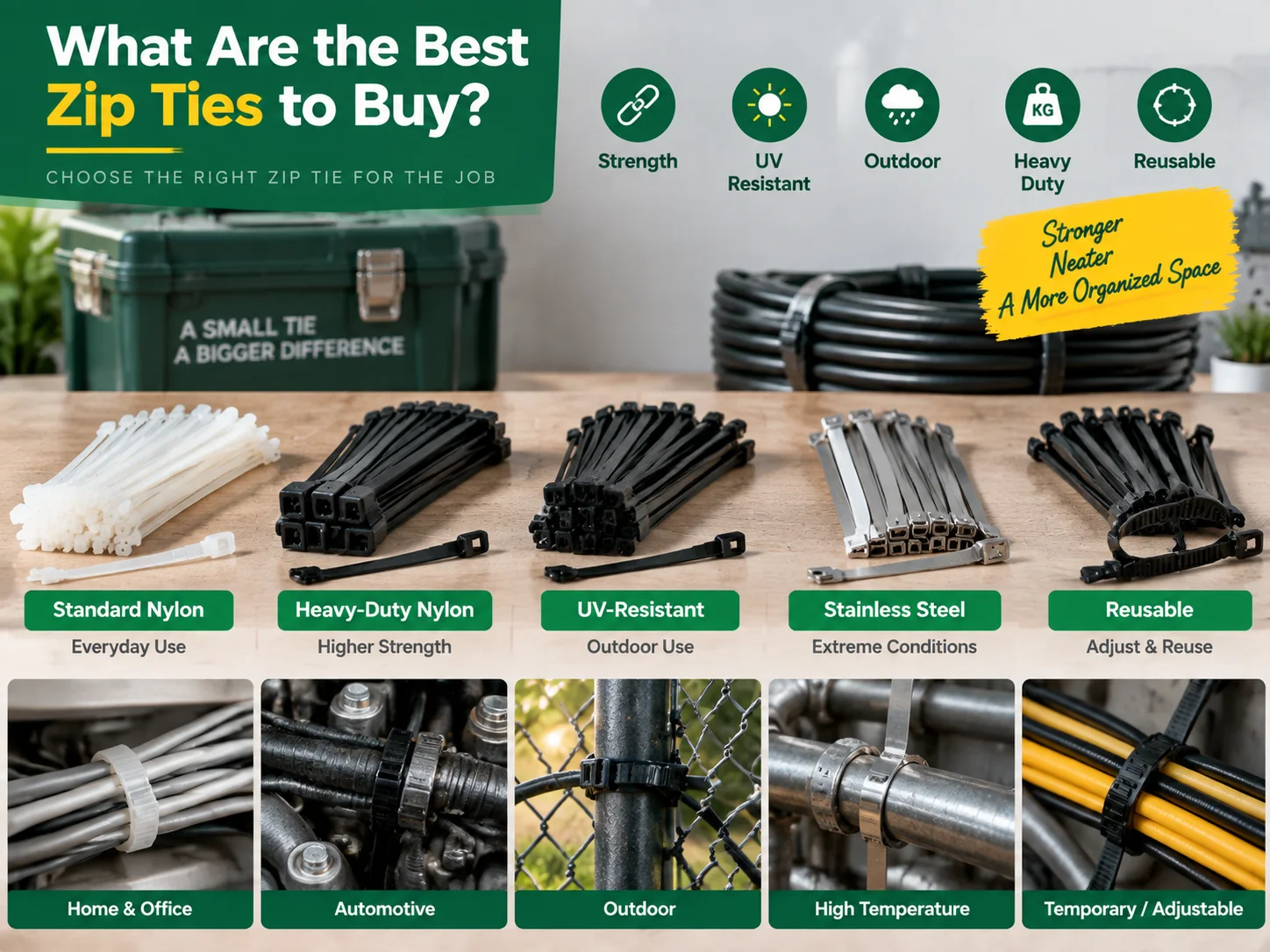
Zip ties (better known as cable ties) have one basic option; the toothed strap and the ratcheting head, but the combined material and size make the difference. Match the four types of zip ties to your application and you’ve purchased the right zip ties.
| Job | What to buy | Typical size | Why |
|---|---|---|---|
| Everyday indoor bundling (cords, wiring, bags, garage) | Standard white or natural nylon 6/6 | 100-200 mm × 2.5-3.6 mm | Cheapest, flexible, strong enough for most indoor jobs |
| Outdoor, garden, solar, and any sun exposure | Black UV-stabilized nylon 6/6 | 200-300 mm × 3.6-4.8 mm | Carbon black shields the nylon from UV — lasts years instead of months |
| Industrial, automotive, heavy bundles | Heavy-duty nylon (120-250 lb tensile) | 300-600 mm × 7.6-12.7 mm | Wider strap carries far more load; tool-tensioned versions for consistent tightness |
| Marine, exhaust, high heat, outdoor permanent | Stainless steel (304 or 316) | 200-400 mm | UV, heat, chemicals, and corrosion cannot kill steel |
If you buy nothing else, get first two types: a pack of white 100-200mm zip ties for home use, and a pack of black 200-300mm UV resistant zip ties for outdoor use. These two packs will be enough for almost all your zip tie applications.The full range of sizes — from 75 mm miniature ties to 600 mm+ heavy-duty straps — is laid out with bundle-diameter guidance in our standard cable tie sizes guide.
What do the best zip ties cost?
Once you get the hang of how zip ties are priced, it’s quite simple: you pay for the class of materials, the size of the tie, and also what packaging tier it belongs to, and with increasing purchase amounts, the price per individual piece slides downward.
| Product | Pack size | Typical price (USD) |
|---|---|---|
| Standard white/natural nylon, 100-200 mm | 50-100 pack | $3-10 |
| Black UV-stabilized nylon, 200-300 mm | 50-100 pack | $5-14 |
| Assorted multi-size kit | 100-300 pieces | $10-20 |
| Heavy-duty nylon, 300-600 mm (120-250 lb) | 20-50 pack | $8-25 |
| Stainless steel tie | Per tie / 10-25 pack | $0.50-3 per tie (more for 316) |
| Wholesale standard nylon (per 1,000) | Box of 1,000+ | $15-60 depending on size — pennies per tie |
There are two warning signs to interpret when shopping: the assorted pack of ties found in the checkout are extremely handy, but they usually come with the least strong and least expensive material —which makes them perfect for wires but nothing else—and cheaper plastic bags of “heavy duty” ties usually have the same use as their cheaper counterparts. The deeper structure of nylon-tie pricing — why width and volume move the numbers so much — is explained in our nylon tie price guide.
Which zip tie brands are the best?
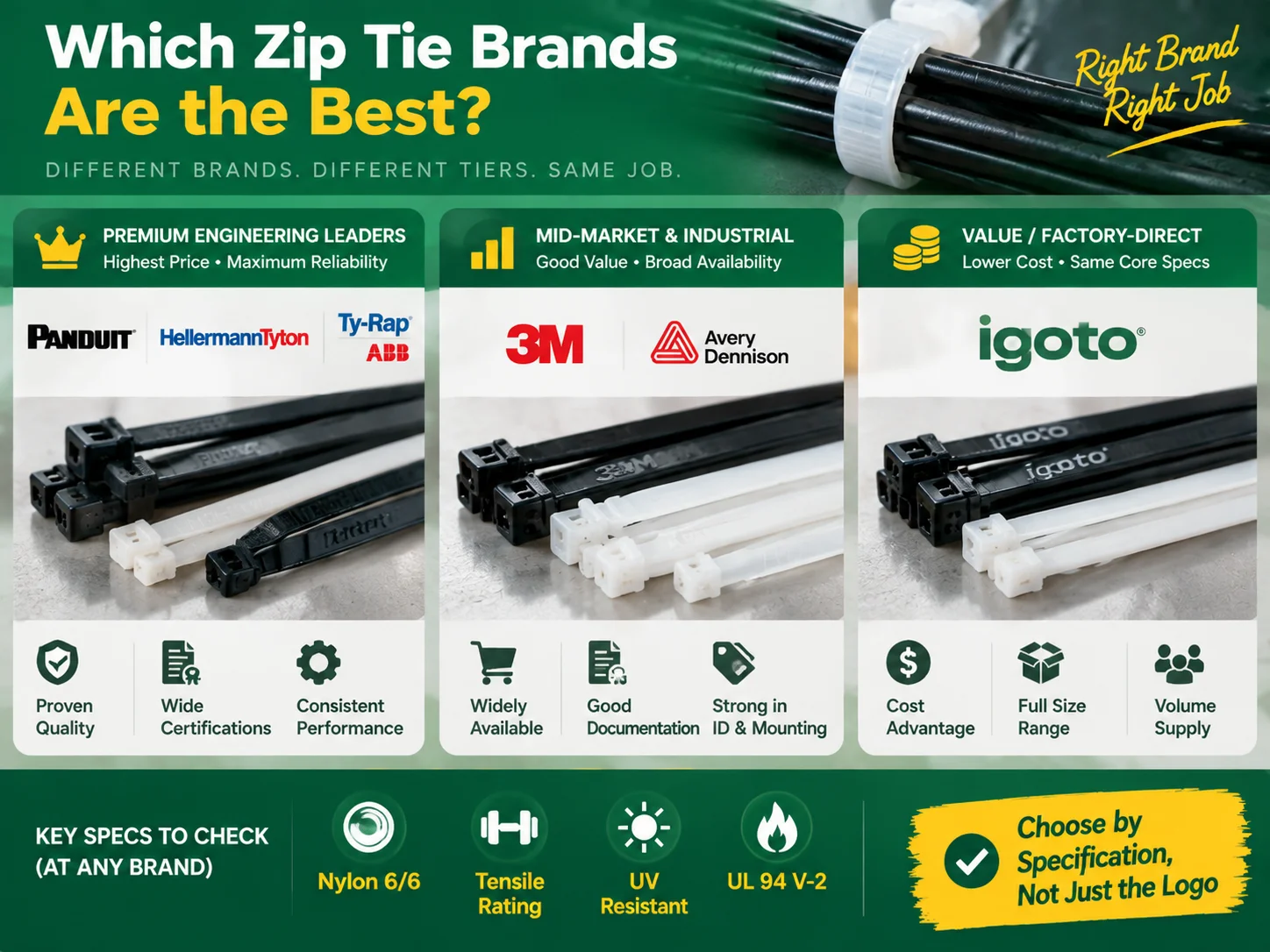
Zip tie brand market can be categorized into three different tiers and knowing which tier you are using is much better than remembering their logos.
| Tier | Brands | Strengths | Price position |
|---|---|---|---|
| Premium engineering leaders | Panduit, HellermannTyton, Thomas & Betts (Ty-Rap, now ABB) | Defined the category; publish weathering and tensile data; deep certifications (UL, military, aerospace grades); consistent quality across millions of ties | Highest — often 30-100% above value brands at the same spec |
| Mid-market and industrial distributors | 3M, Avery Dennison, specialty trade brands | Broad availability, good documentation, strong in identification and adhesive-mount niches | Mid-range |
| Value / factory-direct manufacturers | igoto and similar certified manufacturers | Same nylon 6/6, UV-stabilized, heat-stabilized, heavy-duty, and stainless grades at factory-direct prices; full size range; documented specs for distributors and OEMs | 30-50% below premium brands at equivalent specification |
Here is the information that many sellers don’t want you to know: if the specifications written by a third-party engineer mention any zip tie brand name, use that brand — specifications are created for a reason. However, the majority of customers including electricians and people working at home prefer to base their choices on the specification rather than the logo of the product. They can opt for pre-certified companies like igoto which use the same materials as branded products but cost less to produce. igoto produces zip ties of different types including regular ones, those resistant to UV radiation and heat, heavy duty and made of stainless steel, and also supplies its products to different users and private label programs. This means that their recognition as a manufacturer is not as high as that of Panduit or HellermannTyton, but they are still doing well in terms of prices and range of products.
How to choose the right zip tie when the shelf is confusing
There are 4 questions you need to answer in order to reach your decision:
- Indoors or outdoors? Indoors — you can opt for either white nylon or natural nylon. If outdoors, however, only black UV stabilized nylon can be used. Uns stabilized white nylon is very brittle and can snap in a few months of being exposed to UV rays. On the other hand, stabilized black nylon can last for many years!
- How much load does your bundle hold and what is its size? First measure the diameter of the bundle and add around 30 to 50% for the end. Follow the guide for the correct size of the bundle: 2.5 mm is for little bundles, 3.6 mm ties are for average-sized bundles, and anything exceeding 4.8 mm is used for heavy bundling.
- Is it exposed to heat or chemicals or saline water? Engine compartments, ovens, exhaust vents, coastal air, or chemical products are the ideal conditions for stainless steel or heat stabilized nylon to work. Nylon usually has a softening point of 85-120° C, but stainless steel is not affected even at very high temperatures.
- Will you be removing it? It should be borne in mind that you can only cut a standard tie without drawing it off. Consider purchasing releasable ties if you need to unbind something every time or adjust them very often!The full four-question logic, including the tooling question, is worked through in our how to choose cable ties guide.
What to use when a zip tie is not the right answer
The zip tie is a fantastic fastener, but it is not suitable for every task, and it pays off to look for something more effective when it is needed.
| When a zip tie fails you | Reach for instead |
|---|---|
| Sealing a hose or tube under pressure | Hose clamp — a zip tie cannot apply the radial squeeze a clamp does |
| Holding a heavy component that will vibrate for years | Bolted clamp, P-clip, or purpose-made bracket — metal, not plastic |
| Attaching something that must not move or chafe | Adhesive mounts or screw-mounted clips with proper strain relief |
| Extreme loads beyond 250 lb stainless capacity | Steel banding and banding tools — the tier above zip ties |
| A clean, removable, reusable fastening | Hook-and-loop (Velcro-style) straps or releasable ties |
| Electrical insulation or sealing a splice | Electrical tape and heat-shrink — zip ties organize, they do not insulate |
The zip tie is used for the general purposes of organizing and bundling, but it cannot serve any structural purpose, and in cases when there is a need for sealing or for insulation, there are other means of achieving a task. The zip ties are, however, the optimal solution when it comes to organization tasks, which include bundling cables, securing floppy wires, and holding things temporarily. But when it is necessary to fasten wires securely, there is something better that can be used.
FAQ
What are the highest quality zip ties?
Nylon 6/6 (PA66) zip ties with quality ratings and testing credentials represent zip ties made of a type of nylon which is very high in quality. UV-resistant black zip ties are used outside while marine-grade or heat-resistant stainless steel zip ties are used in those environments. HellermannTyton, Panduit, and Thomas & Betts Ty-Rap represent the standard setters when it comes to zip tie quality and engineering specifications, although low-cost manufacturers such as igoto offer the same nylon grades at a much lower price.
What is the strongest zip tie available?
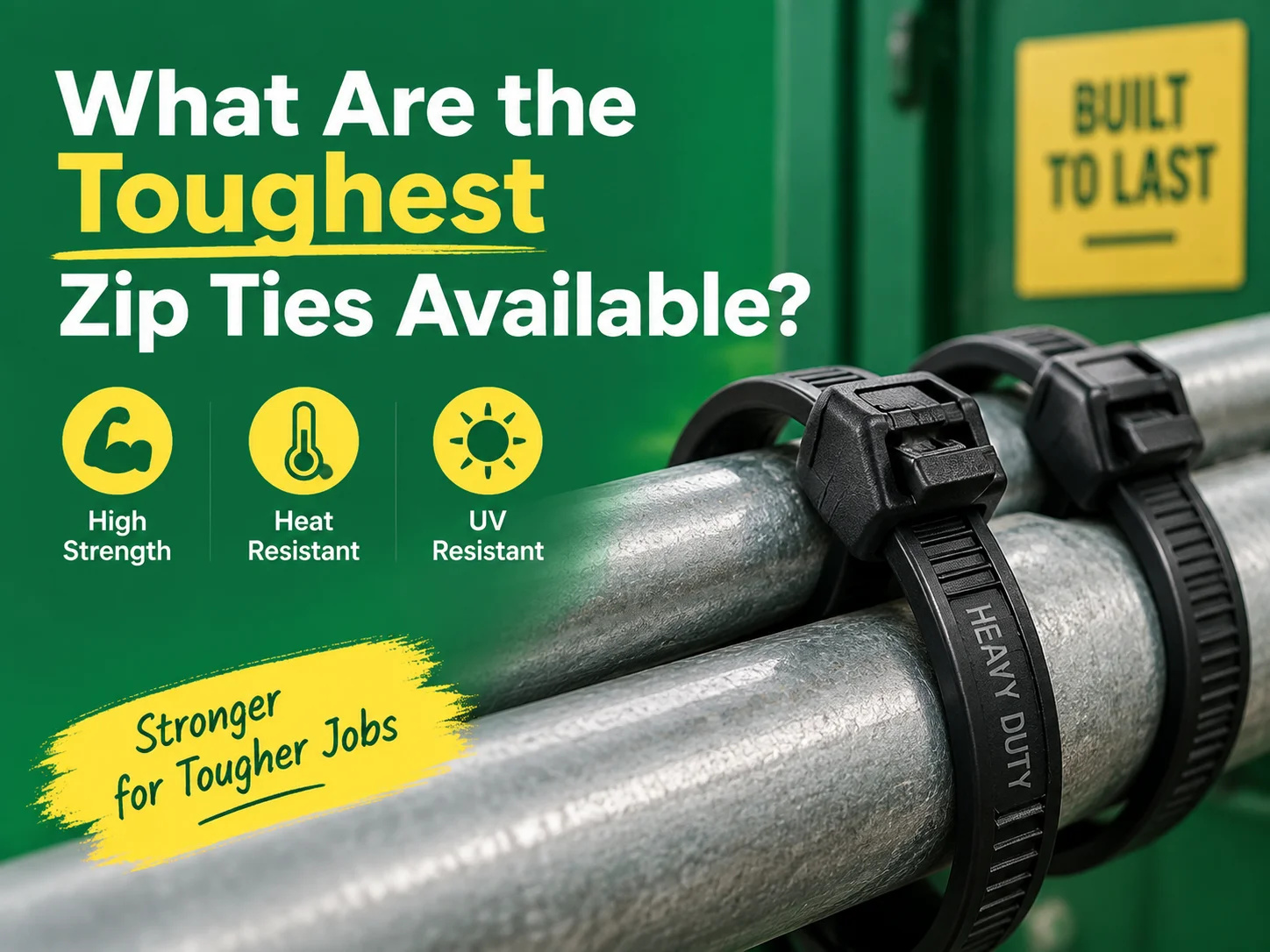
The strongest plastic zip ties are made from heavy-duty nylon 6/6, which can carry around 250 pounds of tensile. For anything heavier, stainless steel zip ties range in strength from 250 pounds to over 600 pounds and can withstand high UV rays, heat, and moisture that would cause damage to nylon ties. Above stainless steel ties are engineered steel ties which seem to be the next type of zip tie.
What is the most durable material for zip ties?
Stainless steel (304 or 316 grades) is by far the most durable zip tie material in all different environments. Among plastics, the toughest material is black UV-resistant nylon, 6/6. For heat-resistant inside use, heat-stabilized nylon is used. Prices for special materials, for example, ETFE used in nuclear and high-chemical facilities, might vary considerably.
Which tie brand is considered the best?
The two best-known brands among professionals are Panduit and HellermannTyton; along with Thomas & Betts, they offer the most extensive and thorough information about the product and are the most expensive on the market. Nevertheless, manufacturers like igoto take an advantage of lower prices in their offer.
References
- Panduit — Cable Tie Specifications and Standards
- HellermannTyton — Cable Management Products
- ABB / Thomas & Betts — Ty-Rap Cable Ties
Conclusion
Zip ties are not just considered one product; there is a range of products. The interior jobs should be covered with standard nylon 6/6 while the tie is used outside the house – black UV-stabilized nylon. Taking into consideration that the price of a zip tie varies from $3 to $14 and that it does not mention the tensile rating and material of the items you would like to purchase. For heavy-duty tasks, heavy-duty nylon should be used while stainless steel should be used for extremely durable jobs. It is important not to focus on the logo; instead, the names Panduit, HellermannTyton, and Ty-Rap could define the quality of cheap brands. However, there are cheap brands like igoto that can offer the similar quality for 30-50% less price. Remember about the elements like materials, the purpose of the zip ties and the brand of your choice.