


Best Zip Ties for Outdoor Use: Material, UV Resistance
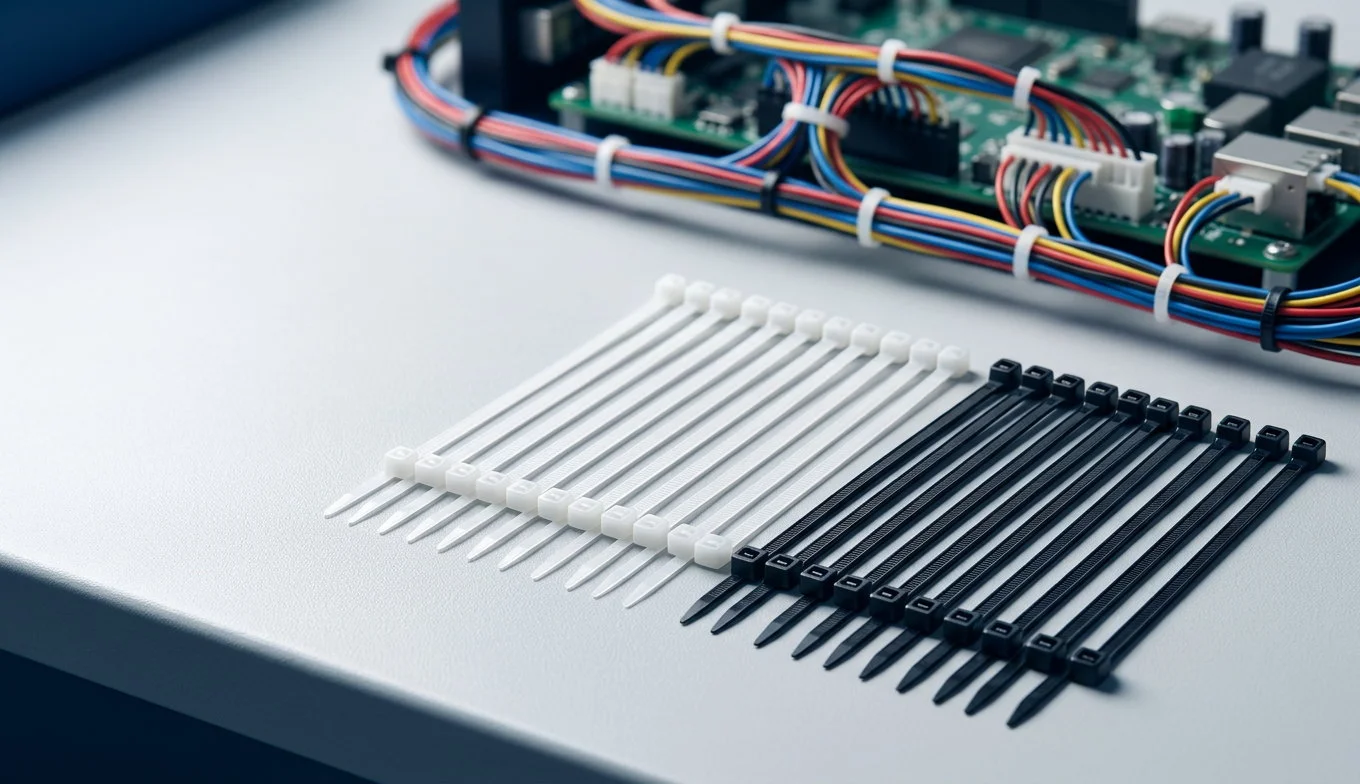
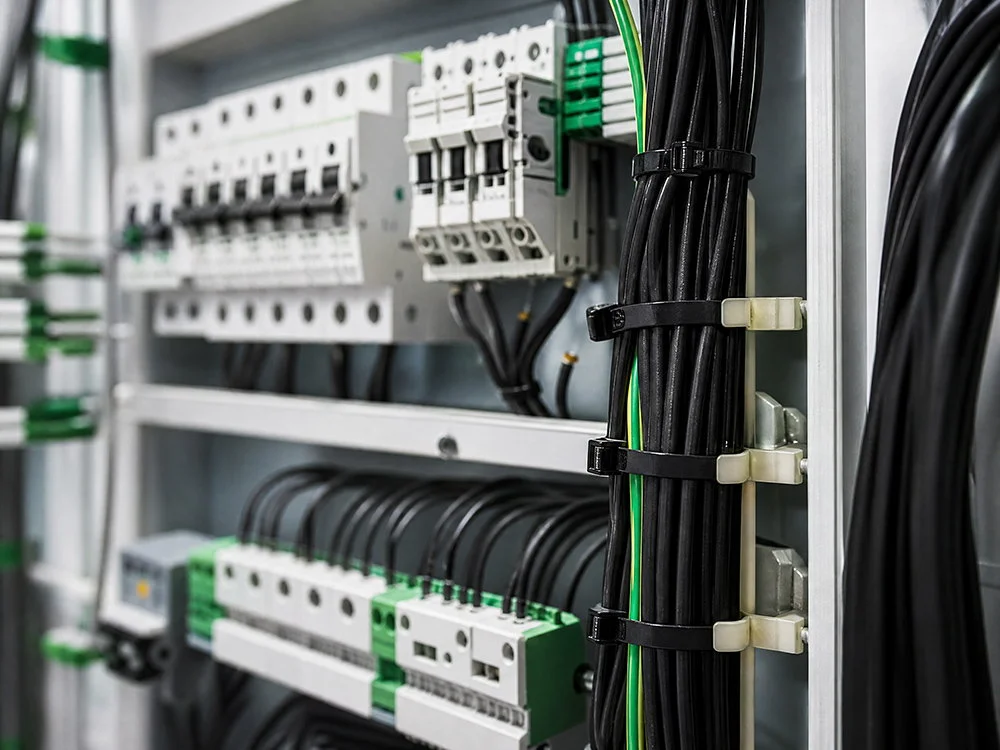
Most likely you know that a white zip tie that is left under the sun in summer becomes yellow, brittle, and breaks down due to pressure. The situation given demonstrates the importance of the outdoor application of cable ties, which implies the necessity to know that not all zip ties can be used outdoors. Thus, zip ties differ not because of the brand but rather because of their composition. This article provides a detailed description of the materials that can resist outdoor conditions, the rationale behind the preference of black products for outdoor projects, distinquishing between the price and strength of the fastening mechanism, and tips on how to choose the brand that suits the purpose.
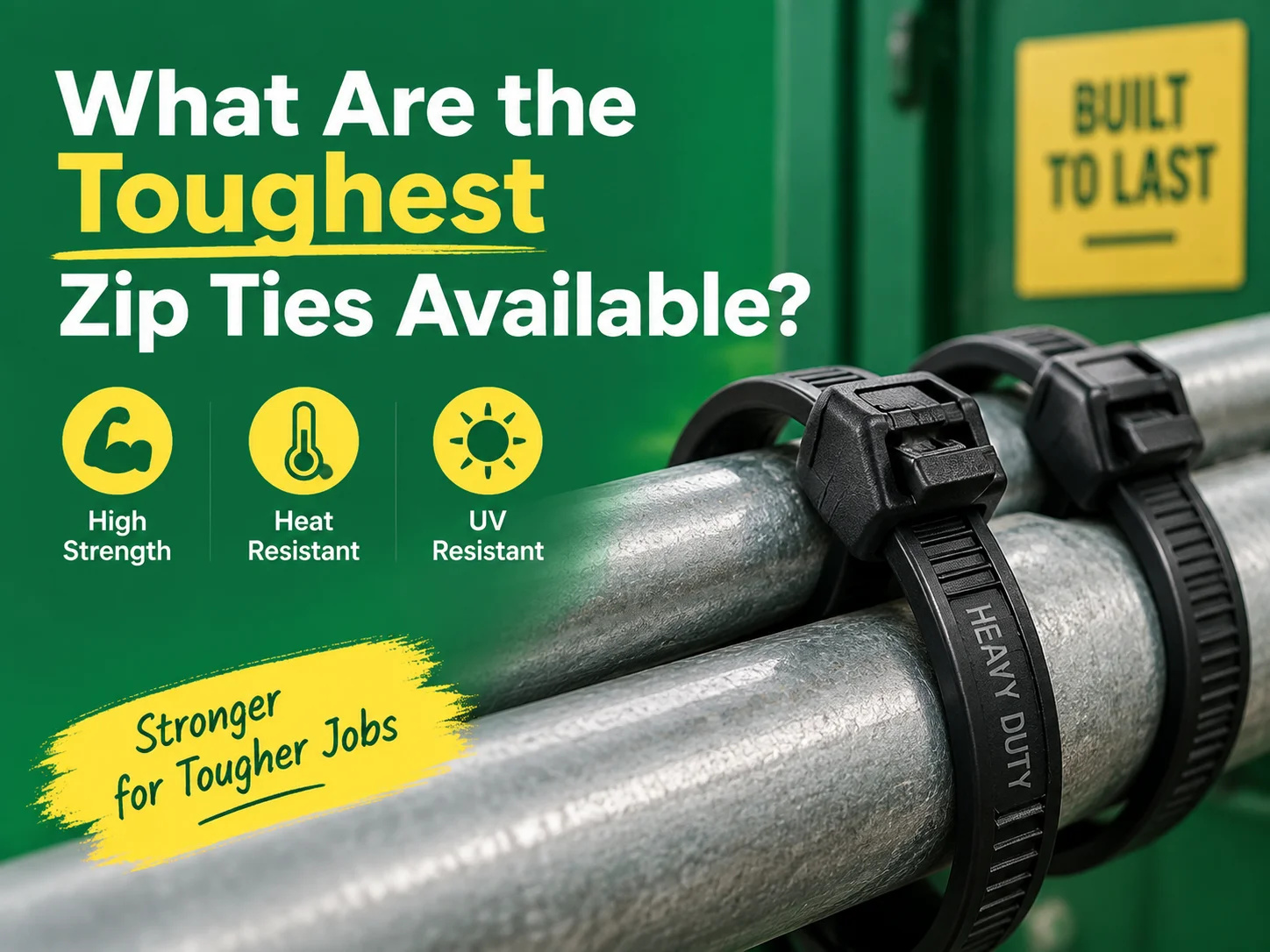
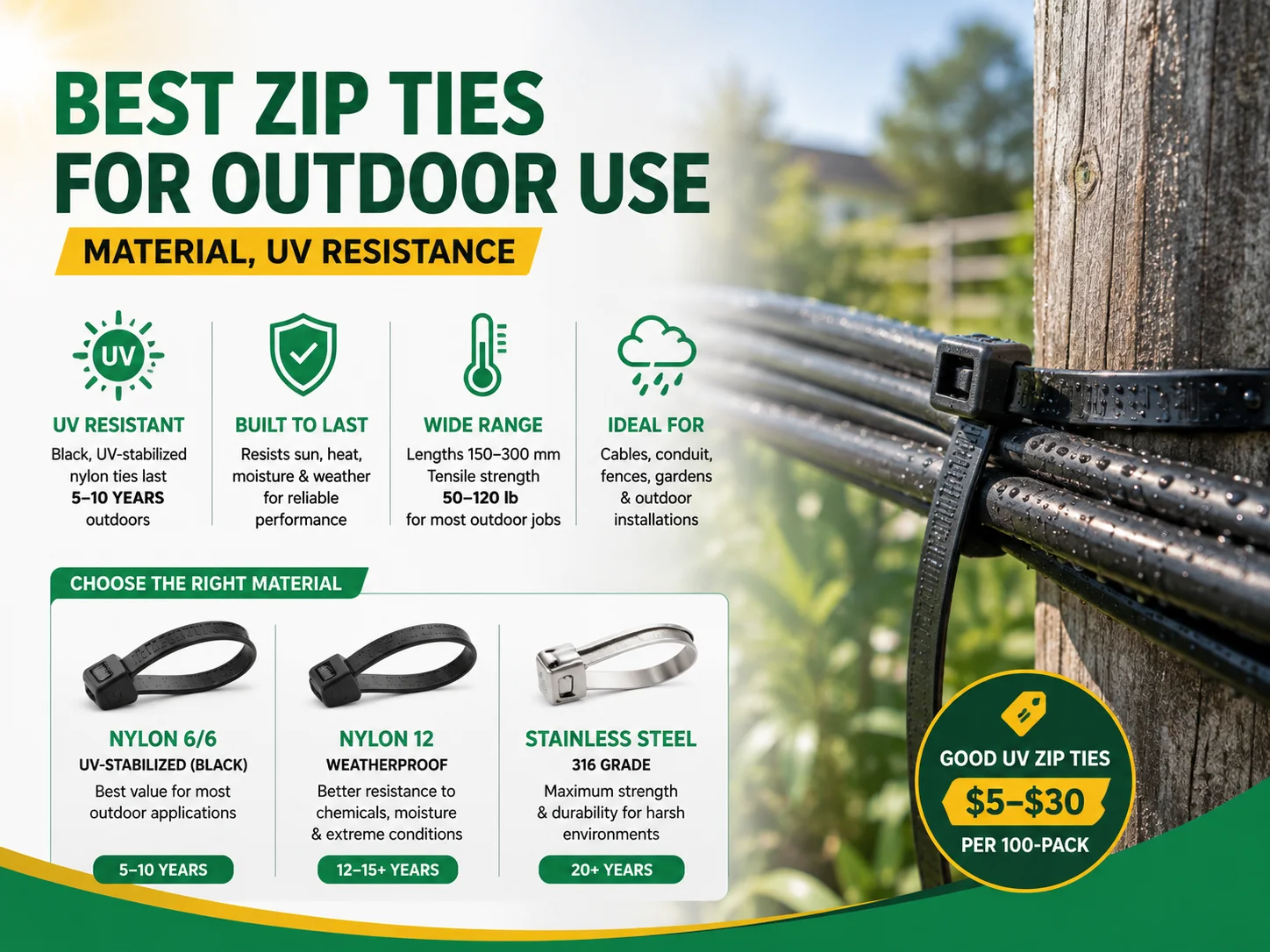
When thinking about outdoor uses, it’s advisable to use black nylon 6/6 zip ties with UV stabilizers. Thanks to the presence of carbon black pigment, those ties are able to withstand UV radiation and can survive in temperate climates for up to several years (3 to 5 years in desert weather). Regular nylon zip ties wear quickly and are not safe enough to be used in situations that require maximum safety. In particular, in very hot weather conditions or in places that are dangerous, it’s preferable to use nylon 12 or stainless steel zip ties.
Why Ordinary Zip Ties Fail Outdoors
The phenomenon of science can be explained simply: sunlight breaks down plastic as a result of photo-oxidation. The UV rays result in the polymer chains being broken in standard nylon and cause these three visible stages – the tie becomes discolored, loses its flexibility, and develops tiny cracks, especially around the lock. Considering daytime temperature cycles throughout the outdoors make plastic expand and contract, unprotected nylon tie becomes a glass-like material in months.
Standard white or natural nylon tie usually fails to perform its role after being exposed to outdoors for around 6-12 months no matter how strong they were before. In this case, a degraded nylon tie loses up to 80% of its rated tensile strength. For a solar array or a cable tray or anything that needs to be suspended above the ground, this creates a serious infrastructure issue. The are zip ties UV resistant guide covers this failure process in more depth, including the ASTM G154 weathering standard used to test it.
Materials: What Actually Survives Outside
There are four types of materials that are used in outdoor fastening.
| Material | Outdoor Lifespan | Best For | Trade-offs |
|---|---|---|---|
| UV-stabilized nylon 6/6 (black) | 5-10 years (temperate), 3-5 years (desert) | General outdoor: cables, fences, signs, gardens | Degrades in extreme heat and harsh chemicals |
| Nylon 12 / weatherproof grades | 12-15+ years | Coastal, salty, wet, and hot zones | Costs more; less common in retail |
| ETFE (Tefzel-type) | 15-20+ years | Chemical plants, nuclear, extreme environments | Premium pricing, limited availability |
| Stainless steel | 20+ years | Marine, industrial, heat, anything permanent | Not reusable, sharper edges, cost per tie |
Among these materials, the best for the 90% of outdoor tasks, such as holding wires, tying up hoses, fencing, elements in the garden, and illumination, is nylon 6/6 with black coloring and protection from ultraviolet rays.The stainless steel vs nylon comparison helps you decide when to step up to metal.
Outdoor Lifespan by Material
The above statistics are derived from accelerated weathering information and field applications and are quite useful to remember as everything you needed to know about buying is presented in one table:
- Standard nylon 66 (white/natural): 6-12 months – curves, hardens and fails. Indoor only.
- Weather-resistant nylon 66 (black): 7-12 years in normal weather conditions, lower number is to be expected in southern USA or in deserts.
- Specialty polymers (nylon 12 and weather-proof grades): 12-15+ years with much better performance in salty, damp or hot coastal regions.
- Stainless steel: 20+ years – immune to UV radiation, heat and most chemicals.
The location of the installation is much more important than the material: the same UV stabilized black tie may last ten years in Canada but only five years in Arizona. If the installation is in the place with very strong sun, it is better to buy the higher grade ties and check the claims of the weather resistance stated on the package.
Why Color Matters (It’s Not Cosmetic)
When you visit any professional installation, you will see that outdoor electrical ties are widely produced in black color due to the engineering reason. Carbon black is a component present in black ties, which can easily act as UV protection because it absorbs the ultraviolet rays and transforms them into heat before hurting the polymer. Chemical composition of the stabilizer is mixed with the whole material and not just on top of it, meaning even if the tie is scratched, it will still protect.
Colors such as white, natural, red, blue, and yellow do not have this type of protection unless an additional UV stabilizer is added. While one black tie may not have UV label, there are still risks that can occur; therefore it is advisable to only use ties that have undergone tests for UV resistance. One should learn two tests for detecting unsuitable ties – the “chalking” test and the fading color toward grey.
Sizes, Strengths, and Temperature Ratings
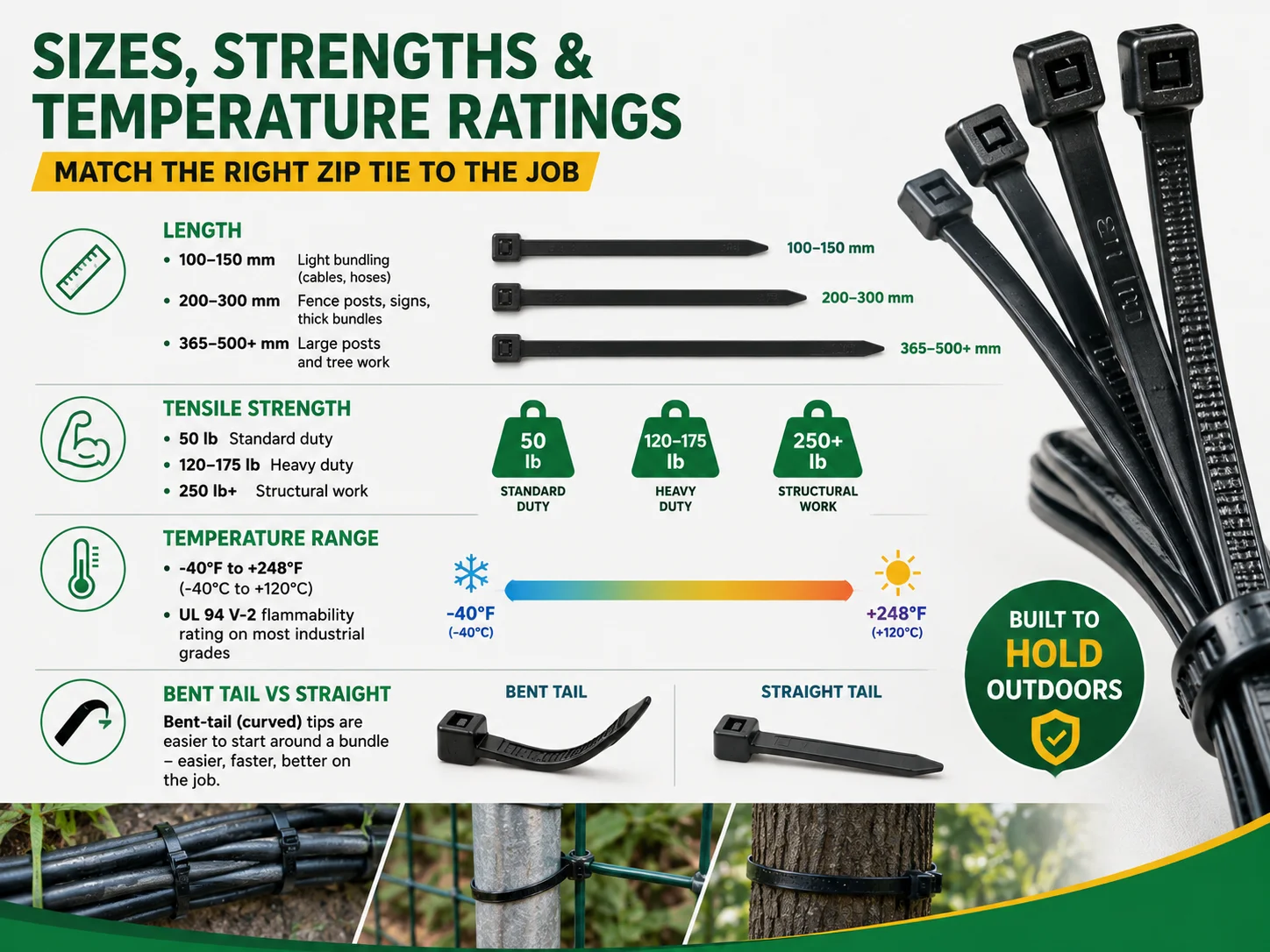
Outdoor ties are available by length, width, and tensile strength, matching all three avoids either undersizing or over-buying.
- Length: 100-150 mm for light bundling, 200-300 mm for posts and signs, 365-500+ mm for large posts and tree jobs.
- Tensile Strength: 50 lbs for regular duty, 120-175 lbs for heavy duty, and 250 lbs+ for structural work. Outdoor cable runs and fencing are comfortably within 50-120 lbs while overhead and other heavy work require heavy duty ties.
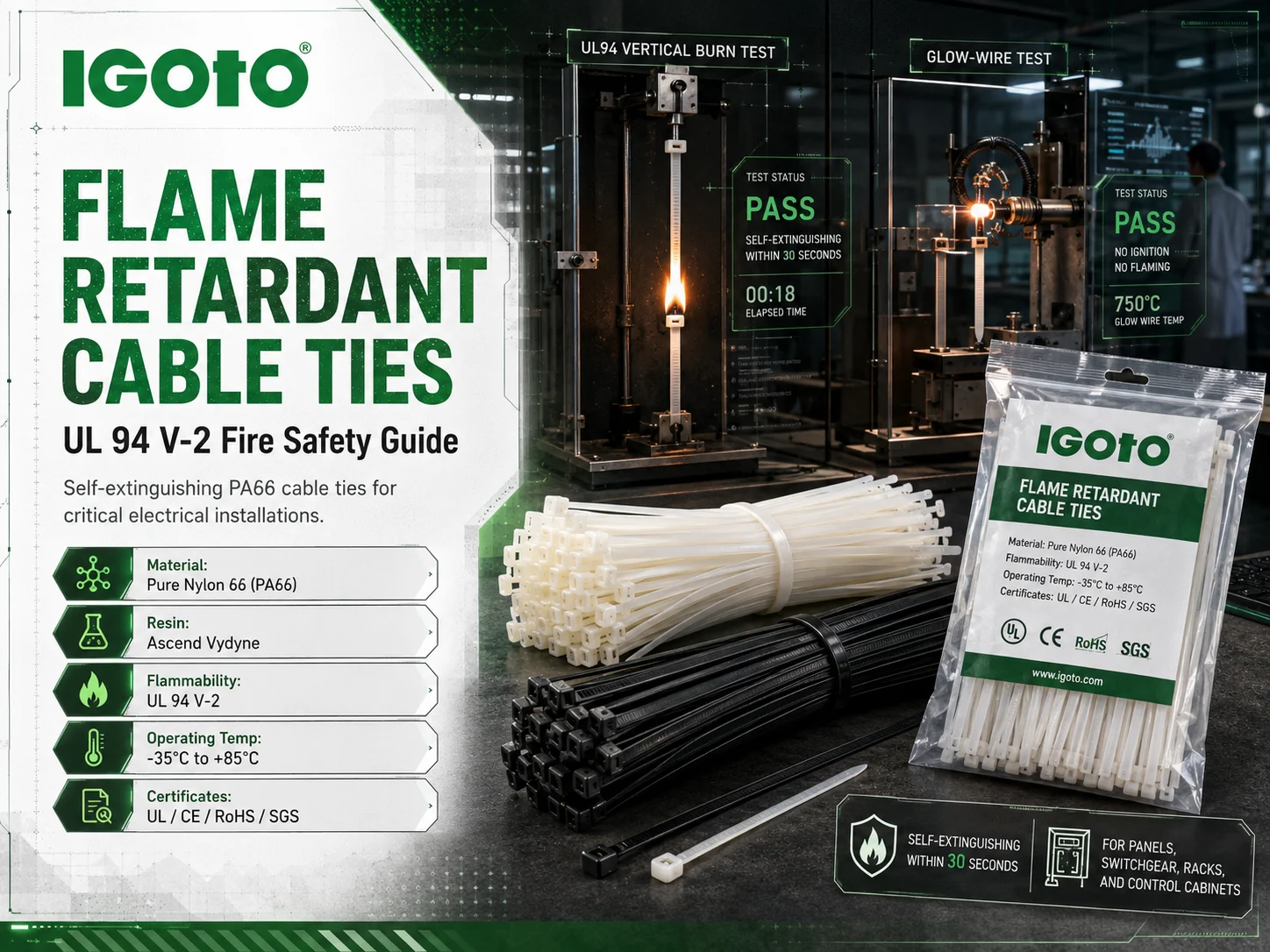
- Temperature range: quality outdoor ties are rated between -40∞F and +248∞F (-40∞C to +120∞C) with UL 94 V-2 ratings for flame resistance.
- Bend vs straight: curved (bent tail) tips are easier to work with when starting to wrap around a bundle of cables — a small comfort while working on it with one hand on a ladder.
For the full size range and how lengths translate to real jobs, the standard cable tie sizes guide is the reference table to bookmark.
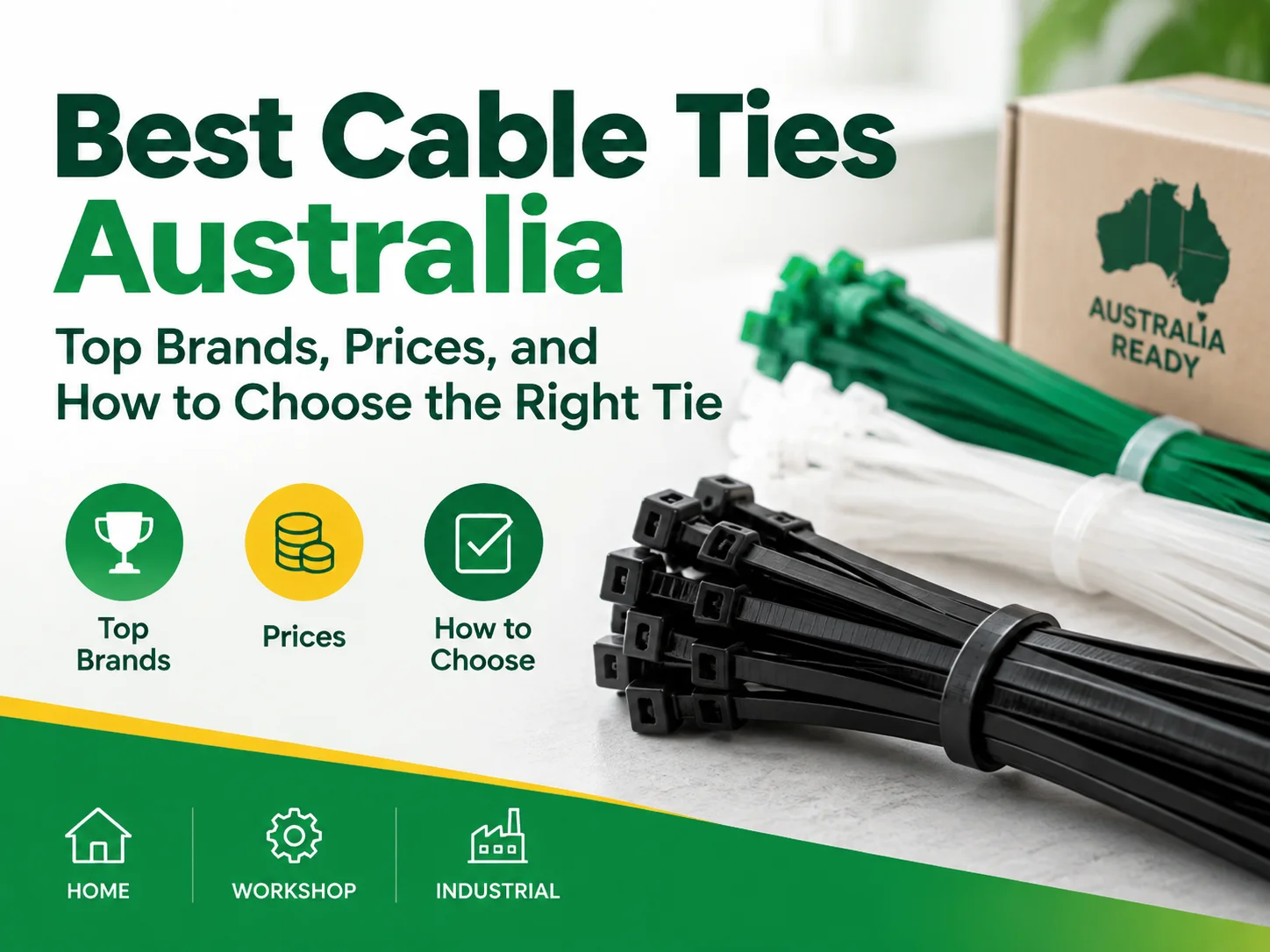
Brands and Prices (Including igoto)
The outdoor zip tie market consists of high-end industrial companies and low-cost vendors, each playing a crucial role.
| Brand | Profile | Typical Price (per 100, 200-300mm UV black) |
|---|---|---|
| Panduit | Industrial standard-setter; published weathering data | $15-35 |
| HellermannTyton | Global manufacturer; outdoor-rated ranges and tools | $12-30 |
| Thomas & Betts (ABB) | Utility and telecom heritage; heavy-duty lines | $12-28 |
| 3M | Broad outdoor range with strong brand backing | $10-25 |
| igoto | Factory-direct UV-stabilized nylon 6/6 across the full size range | $5-18 |
A few words about igoto: it is a Chinese producer of UV-stabilized nylon 6/6 zip ties made from high-quality materials as premium companies do, using the same black or carbon-black stabilized materials made in the same temperature range of -40°C to +120°C at prices much lower compared to industrial companies; however, igoto lacks over 100 years of experience and established brand identity, rather providing only raw materials specification, hundreds of options, and discounted prices for bulk purchases for contractors buying thousands of zip ties. If the zip tie is recommended by a third-party engineer, buy a brand what they recommend; if you are the decision-maker, you should consider igoto products, and save money on the purchase without compromising on quality.The how to choose cable ties guide walks through this brand-vs-value decision systematically.
How to Choose the Right Outdoor Tie
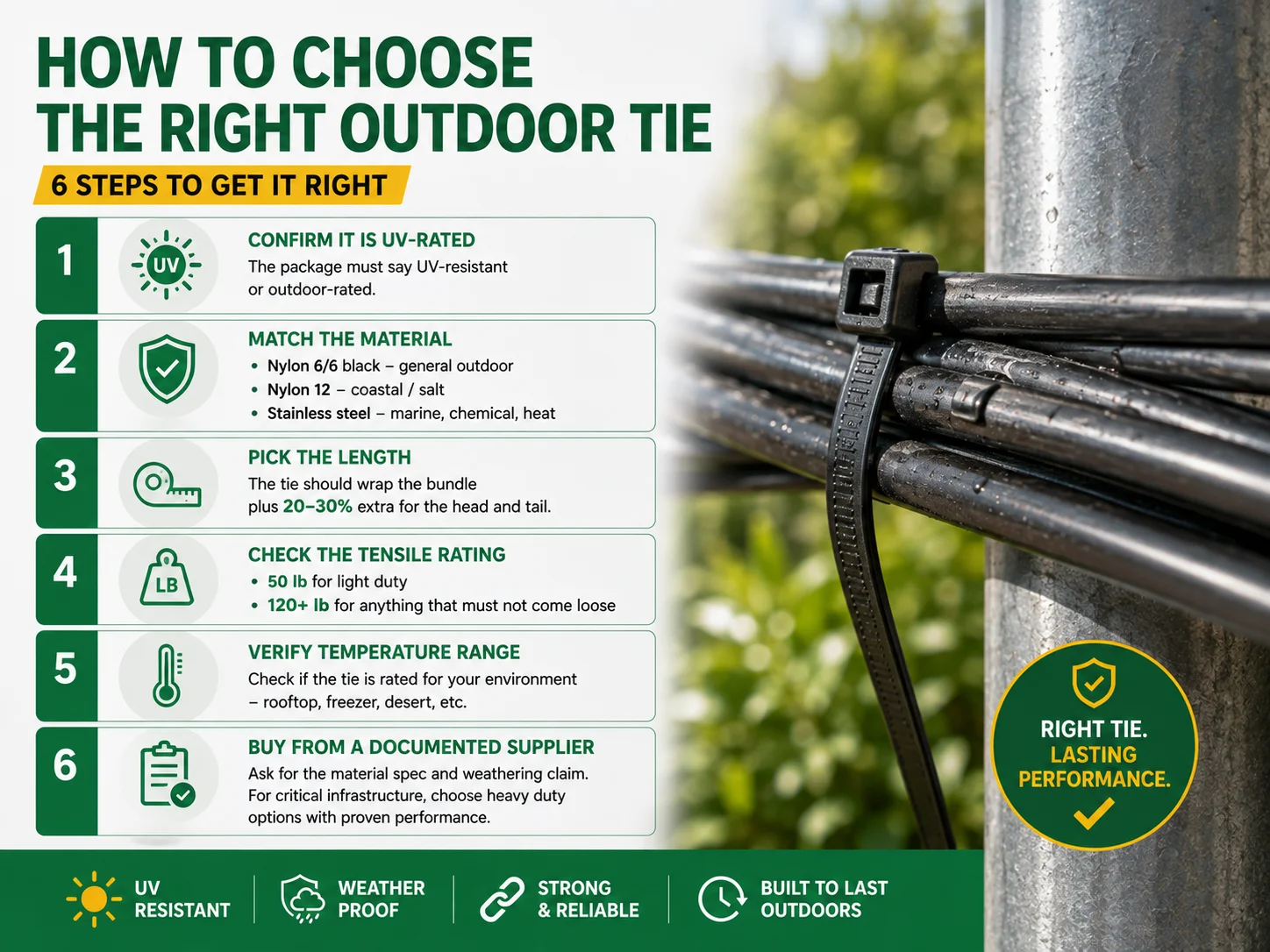
A six-step selection process that applies to all outdoor tasks includes:
- Make sure it is UV-rated. It must say UV-resistant or outdoor-rated on the packaging. A black tie not claiming this is not automatically safe.
- Choose the right material for the environment. Use nylon 6/6 black for general outdoor tasks. Nylon 12 is for coastal/salt jobs. Use stainless steel material for marine, chemicals, or heat.
- Get the proper length of the tie. It should wrap around the package plus an additional 20-30 percent for the head and tail.
- Check the tensile strength. For light jobs, 50 lb is required; however, the minimum strength for heavy-duty use is 120 lb as it should not come apart.
- In case of working in locations with extreme heat/cold, check the temperature range.
- Buy from a documented supplier. Ask for the material spec and weathering claim; for critical infrastructure, the heavy duty zip ties guide covers the higher-strength options.
FAQ
Are zip ties good for outdoor use?
Yes, but only when the correct variety is used. UV-stabilized black nylon 6/6 ties and stainless steel ties are formulated for outdoor utilization and are known to last 5-10 years when exposed to sunlight. Natural nylon ties or ones that come in colors are not suitable for outdoor applications because they become fragile and break after only six months. Always examine the emblem on the packaging to make sure it has a UV-resistant caution.
What color zip ties last longer in the sun?
The black color. The reason behind it is that the black ties are made of carbon black which enables them to act as absorbers of UV rays, preventing any alterations to the material. The other colors do not have this property and will expire fast when placed outdoors. This is why it’s common to find black zip ties in professional use.
How long will zip ties last outdoors?
UV-resistant black nylon ties can last for as long as 5-10 years in moderate climates and for a shorter period of 3-5 years in strong sunlight. Professional grades have an even longer life span of more than 20 years. Normal ties made of nylon that are not UV-protected can do their job outdoors for up to one year only.
How do I know if zip ties are UV resistant?
If you want to make sure the ties are safe to use outdoors, always look for a certification saying that they are UV-protected and don’t forget to choose black ties as they have carbon black as their stabilizer. Look for standards of weathering on the label of the product or for some manufacturer’s evidence.
References
- ShrinkShop — UV-Resistant Cable Ties: Protecting Installations from Sun Damage
- BOESE — UV Resistant Cable Ties Lifespan Outdoor Guide
- GTSE Group — UV Resistant Zip Ties for Outdoor Use
- Panduit — Cable Tie Materials and Weathering Data
- ASTM G154 — Fluorescent UV Lamp Exposure Standard
Conclusion
The most vital factor when searching for the best outdoor zip tie is to understand that having a lot of strength does not always allow the zip tie to do its work efficiently. When it comes to the black UV-resistant nylon 6/6 zip tie, it is very cheap and has a service life of around five to ten years. However, if the use of the zip tie is planned for extremely difficult conditions such as glycerin or high humidity at the seaside, the zip tie made of nylon 12 and steel would last much longer. There’s no use in trying to use the regular white or colored nylon outside as it seems strong enough when opening the package. It is easy enough to make a good purchase, because it means checking the UV label, making sure that the material is suitable for the particular environment, buying the appropriate size according to the packaging, checking the tensile rating and ordering from a trusted seller.