





Blog
-
 23
Sep,2026
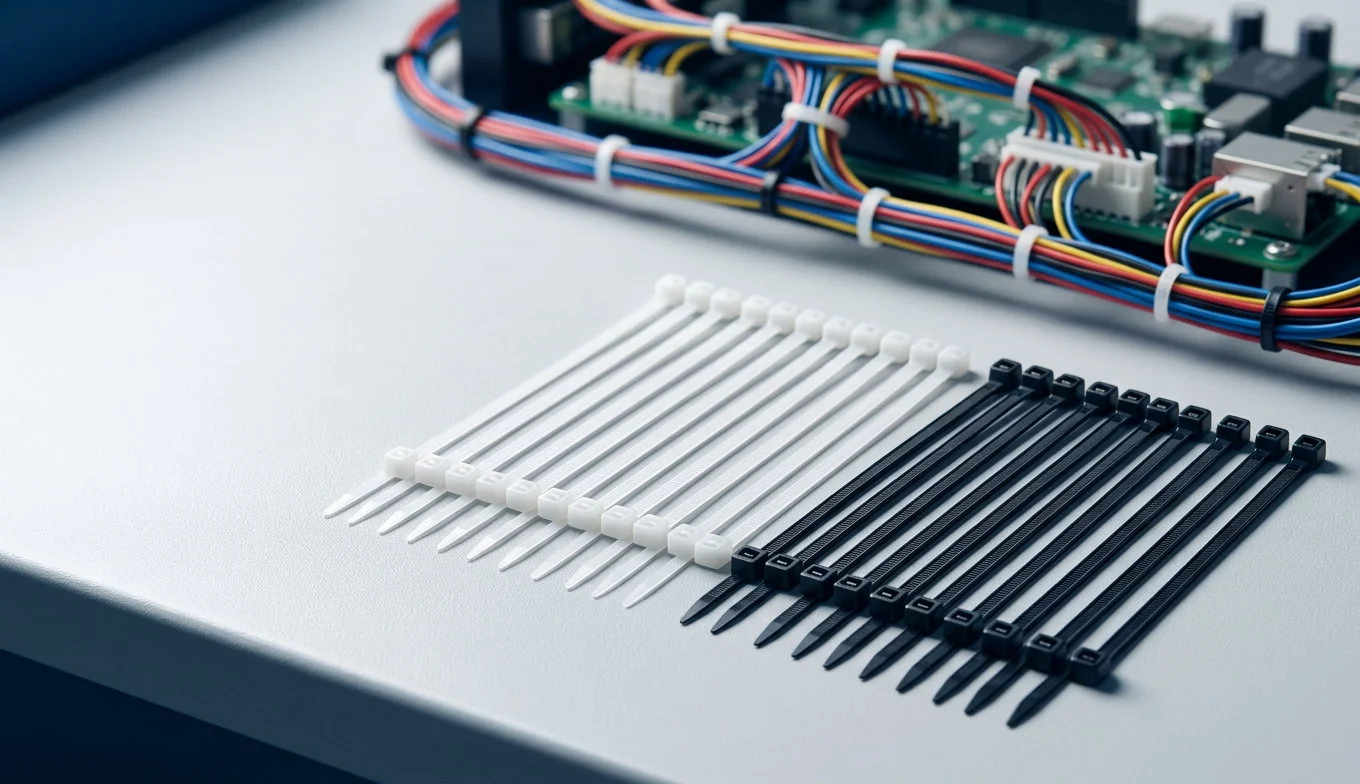
The Story of Zip Tie Handcuffs and Why Police Still Use Them
On May 3, 1971, police authorities in Washington, D.C. apprehended more than 7,000 individuals by day’s end. There was no police force that had 7,000 pairs of steel handcuffs, and one officer usually had only a few pairs on him. The means to address that needs was the nylon strap used in the aircraft cable […]Read More -
 22
Sep,2026
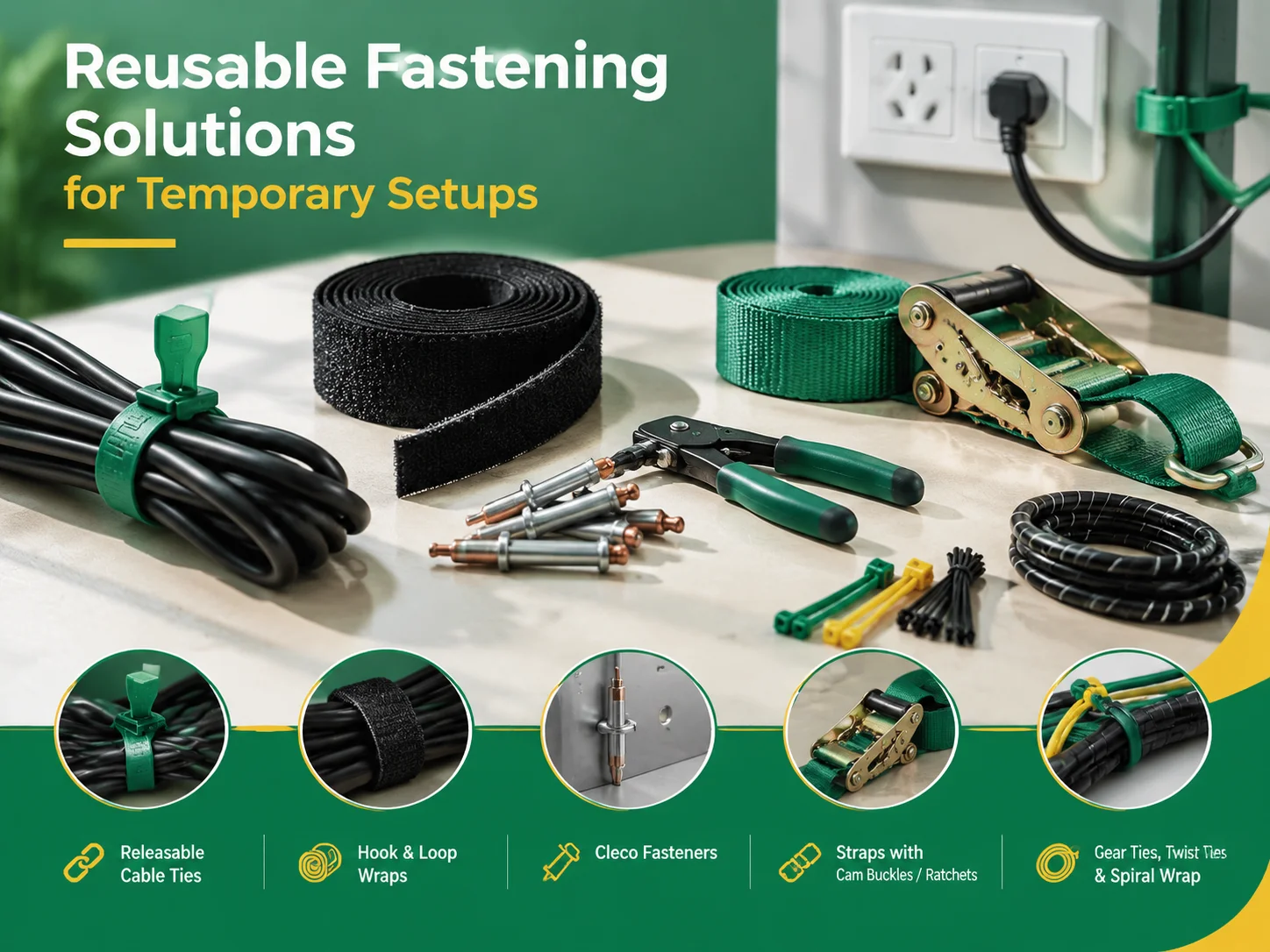
Reusable Fastening Solutions for Temporary Setups
Just because something is temporary doesn’t mean it has to be thrown out. Trade show booths, movie sets, tents, scaffolding, decorations for the holidays, different types of equipment — they all need something that gets the job done in a reliable manner but can also be easily removed without marking the surface or leaving behind […]Read More -
 21
Sep,2026
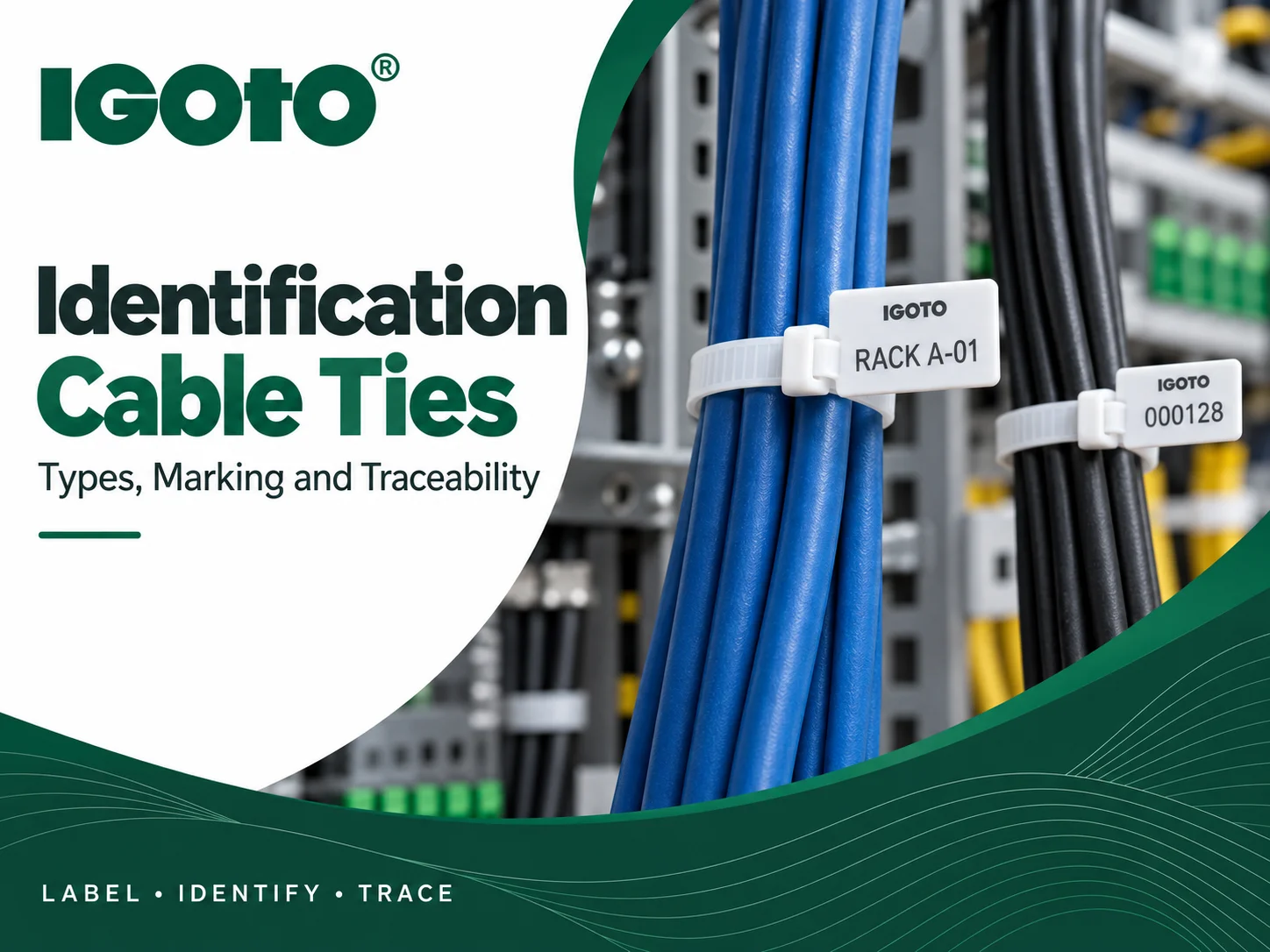
Identification Cable Ties: Flag, Numbered & Serialized Guide
A bundle of cables that all look the same is only organized until someone has to find one of them again. Identification cable ties solve that problem by combining the fastening job of an ordinary zip tie with a surface that carries information: a write-on flag, a pre-printed serial number, a laser-marked code, or simply […]Read More -
 21
Sep,2026
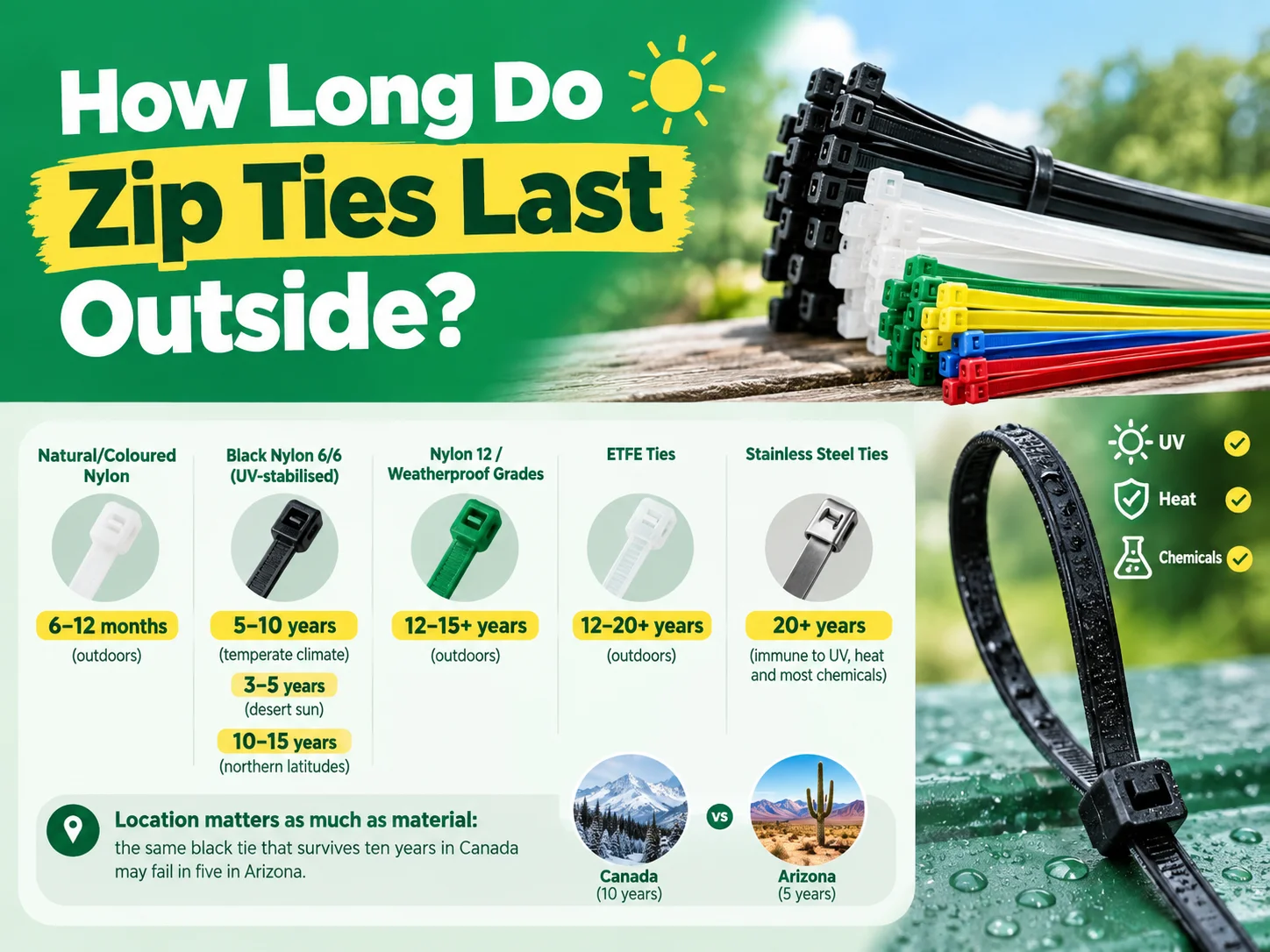
How Long Do Zip Ties Last Outside?
If you place a white nylon zip-tie on a fence and pull on it after one year of installation, the expectation is that it would be broken. However, when utilizing the correct zip tie (black) on your fence, that zip tie should outlast even your posts. This isn’t purely due to the brand or luck; […]Read More -
 19
Sep,2026
The High temperature tie wraps Guide: Materials, Performanceand Selection
High temperature tie wraps are not just plain nylon cable ties that come in a different color. They are classified under a different engineering category and are manufactured using unique types of plastic that has been certified for various heat tests so that they can be used in situations where regular cable ties cannot withstand […]Read More -
 18
Sep,2026
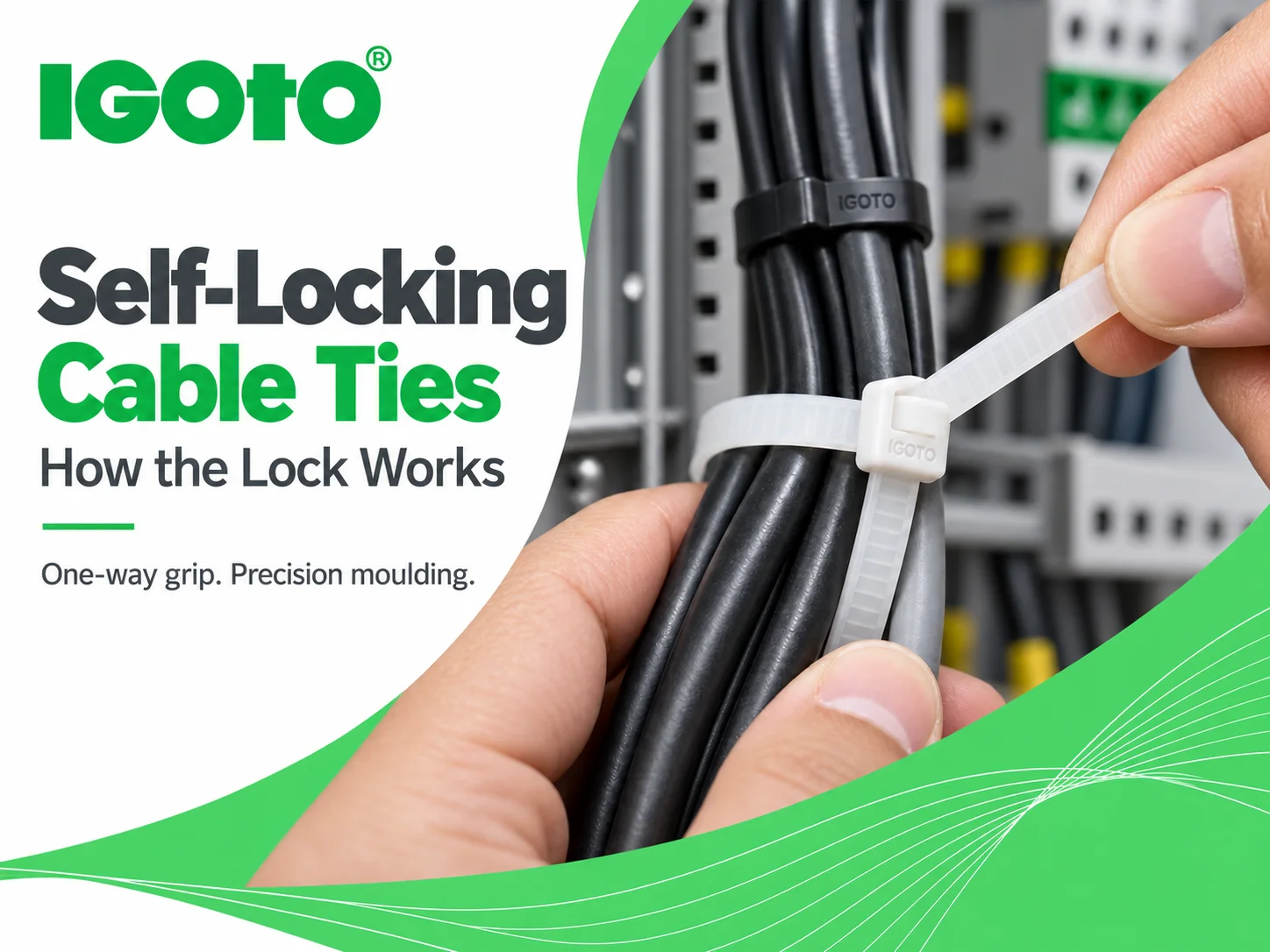
How Does a Self-Locking Cable Tie Work? The Ratchet Explained
The simplest part of the strap process is to take the tail around and through the head part of the strap. After pulling it through, you hear a sharp click and the strap won’t collapse. At this point, you have just observed a brilliant piece of mechanics. The cable tie self locking design is a […]Read More