

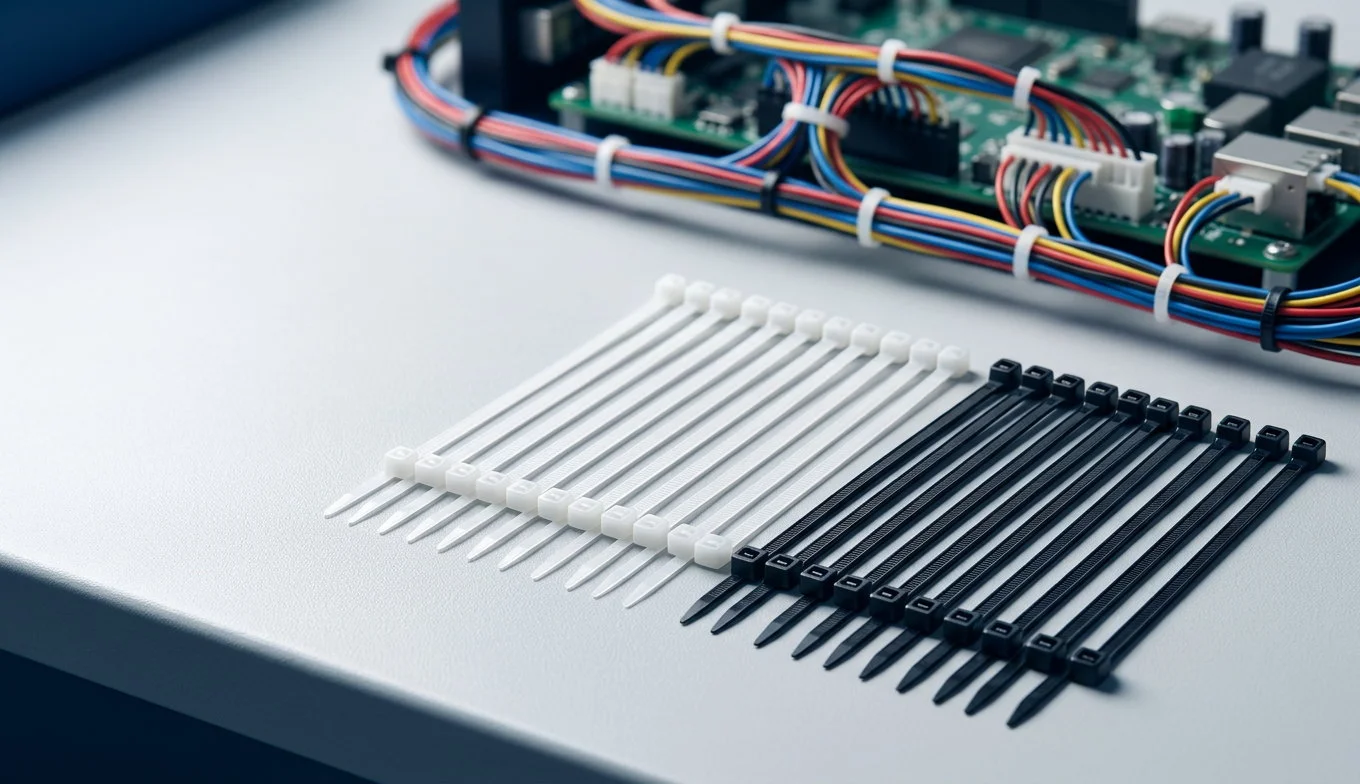


What Are Miniature Zip Ties?
You could be making a switch in your computer, sorting out sensor wires, or securing a plant — standard zip ties are far too big: too long, too wide, and the tail just sticks out. You need the smallest member of the family of cable ties — miniature zip ties. These are small but firm enough to hold your objects in place without being seen because of their small dimensions (usually measuring only around 3-6 inches in length and 2-3 mm in width).
This guide will give you all the necessary information on miniature zip ties: what they are, what sizes they come in, what materials they are made of, how strong they are, how much they cost, and where to find the ones of best quality.
Short answer: The smallest size of the cable tie is what is termed miniature zip ties, which are normally within the range of 3-8 inches (75-200 mm) in the length and are around 0.09-0.10 inches (2.3-2.5 mm) in the width. The common tensile strength of this category of cable ties is 80 N (18 lbs). The cables can be made of nylon 6/6 (PA66). The zip ties can be either in natural (off-white color) or in UV-black colors, having a working temperature range of approximately -40°C to 85°C. Depending on the type of item, the diameter of the bundles being tied varies.
What Exactly Are Miniature Zip Ties?
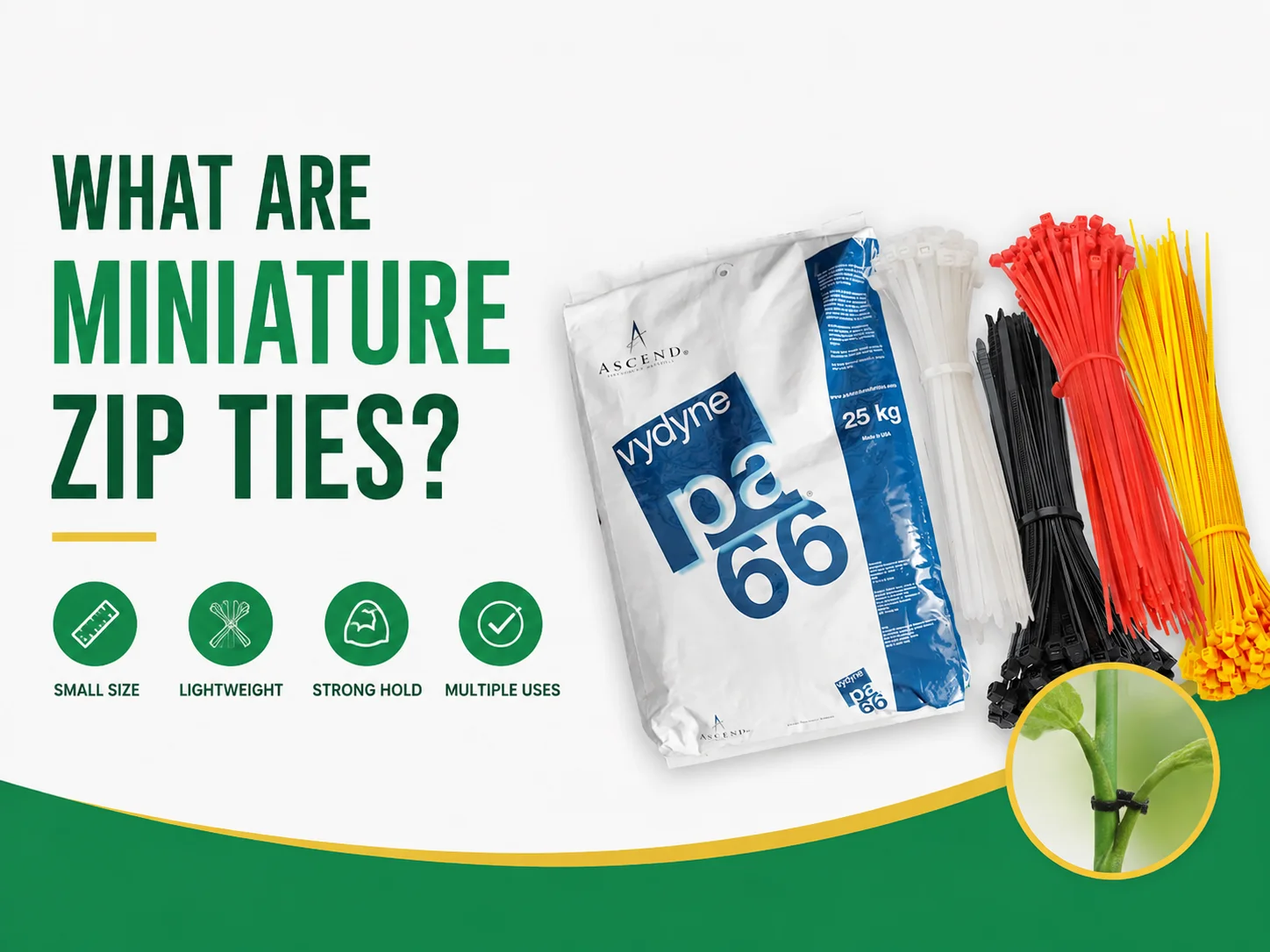
A compact zip tie (also known as a mini cable tie, mini tie wrap, or small zip tie) is the diminutive type of a nylon cable tie. It’s a strap made of nylon with a locking head at one end and grooved sides throughout its length. To use it, simply thread its narrower end through its head and pull; there’s a pawl that locks the elements in position, preventing the tie from loosening.
Mini zip tie differentiates from regular-sized zip ties in terms of width only. Zip ties come in the width of 0.1 inches (2.5 mm) and larger. Zip ties at the lower end of the width range are made with widths of 0.10 inches and below (i.e. 2.5 mm and below) while their length is between 3 to 8 inches long. Since their tensile strength is typically of 18 lb, they’re perfect for use where light bundling is needed in tight spaces.
Sizes & Specifications: The Numbers That Matter
Here’s a typical miniature cable tie spec table (the 18 lb series — the most common miniature grade):
| Length | Width | Max Bundle Diameter | Min. Loop Tensile |
|---|---|---|---|
| 3 inches (75 mm) | 0.095 in (2.4 mm) | 1/16 – 5/8 in (2–16 mm) | 18 lb (8.2 kg) |
| 4 inches (100 mm) | 0.100 in (2.5 mm) | 1/16 – 13/16 in (2–23 mm) | 18 lb (8.2 kg) |
| 6.5 inches (165 mm) | 0.100 in (2.5 mm) | 1/16 – 1.38 in (2–44 mm) | 18 lb (8.2 kg) |
| 8 inches (200 mm) | 0.100 in (2.5 mm) | 1/16 – 2.0 in (2–55 mm) | 18 lb (8.2 kg) |
| 11 inches (280 mm) | 0.100 in (2.5 mm) | 1/16 – 2.75 in (2–70 mm) | 18 lb (8.2 kg) |
Values feature standard miniature 18 lb series manufactured by known brands; dimensions differ slightly from brand to brand.Common feature of miniature series:
- Operating temperature: -40°C to 85°C
- Flameproof: UL 94V-2
- Material: Nylon 6/6 (PA66), black or UV-resistant coloring
- Standards: Many conform to MIL-Spec MS3367 and UL 62275
- Colors: Natural, grey, black etc.
Materials: What Miniature Zip Ties Are Made Of
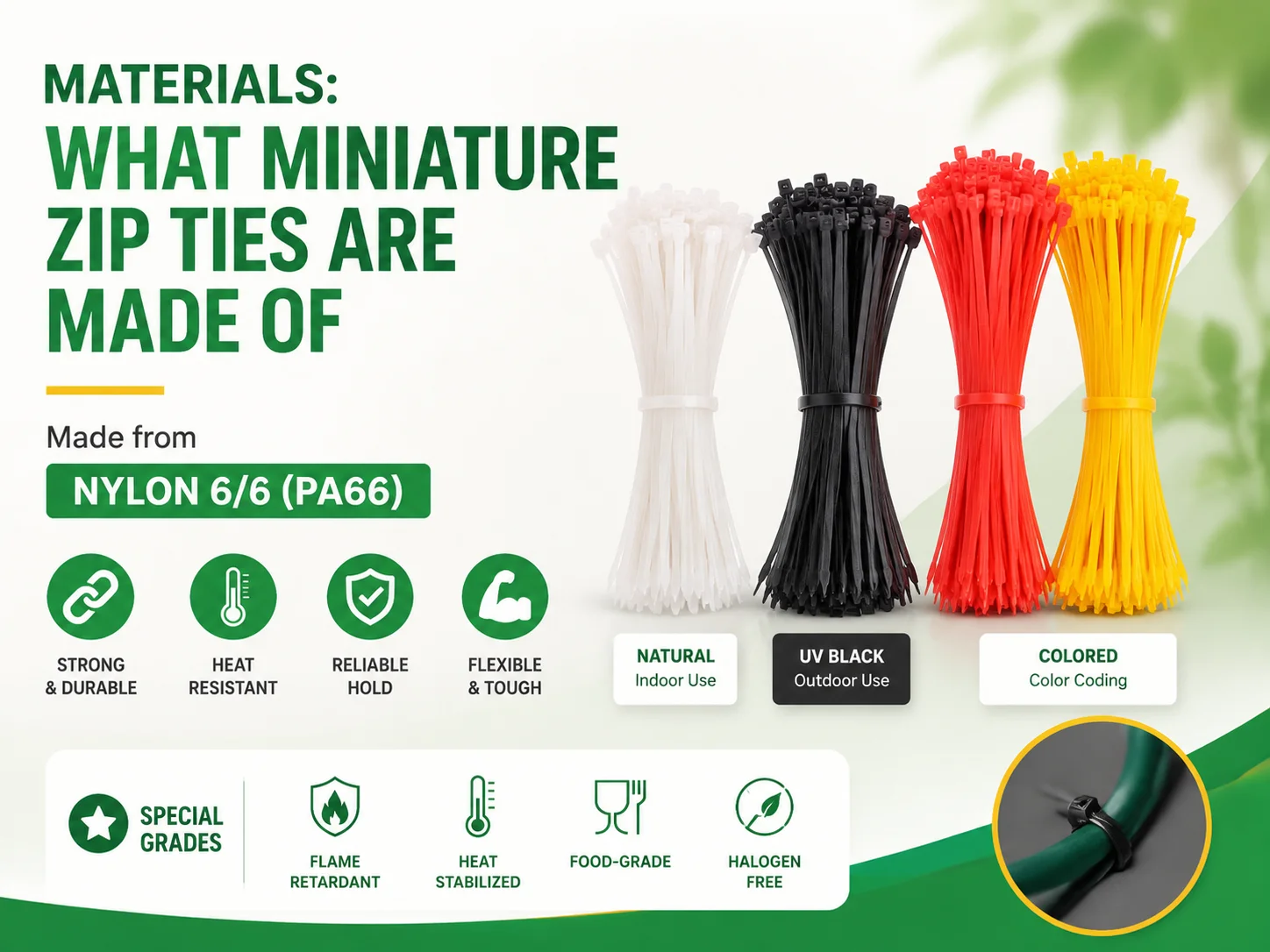
Typically, miniature plastic zip ties consist of nylon 6/6 (PA66), a special type of engineering plastic well known for its features providing a unique combination of strength, flexibility, and heat resistance. The things to emphasize are the following:
- Clear – the cheapest material used only for interior applications.
- UV black – the material is very protective in the sunlight; it prevents the natural nylon from becoming brittle very quickly.
- Coloured – the same nylon but modified with pigments for easier visual identification.
- Varieties – the material has special properties: it is resistant to heat, fire, and safe for food.
Why nylon? The reason is that nylon 6/6 has a unique molecular structure (H-bonded chains of polyamides) giving it about 2-3 times the tensile strength of regular plastics like PP or PE.For a deeper look at the material difference, our article on what zip ties are made of compares nylon 6/6 against the cheaper plastics used in low-end ties.
Tensile Strength: How Much Can They Hold?
The standard mini sizes come with a minimum loop tensile strength rating of 18 lb (80 N) — meaning that the tie will hold at least 18 lb before breaking when tightened correctly over a bundle of items. However, this is for a pull in a straight line (the best-case scenario).
- The 18 lb rating is sufficient for holding small and light items such as wires and bundles.
- Some companies manufacture a 40 lb small tie for jobs that will require more safety.
- In the field, the actual holding capacity of the tie is lesser than the number achieved in the laboratory test because ties rely on friction for holding; thus around curved pathways, on slippery plastic insulations, or in case the end of the tie is cut too short, it will lose its holding capacity. Where safety is crucial, it is a good idea to go next size bigger or use a standard tie.
Any time miniature 18 lb ties are used for securing cables and light weights, one should remember that for any heavy weight or mobile items like brackets, larger and more robust ties should be chosen.If you’re unsure how much a tie can actually hold, our guide to how much weight zip ties can hold explains the rating system and the real-world derating factors.
What Are Miniature Zip Ties Used For?
Miniature zip ties are small, flexible, and inexpensive; therefore, they have a wide variety of applications including:
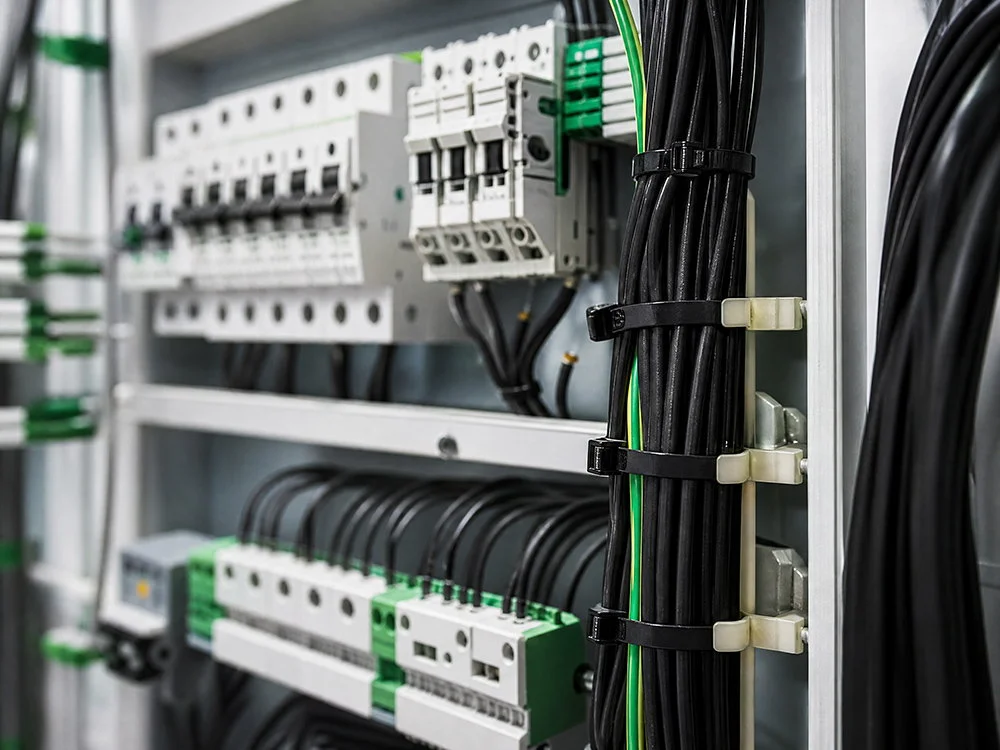
- Electronics and Wiring Harnesses: Used for bundling together small wiring, cable of sensors, and internal wiring in different devices, gadgets, and control panels.
- Networking and Server Rooms: Used for organizing patch cables, fiber optic wires, and rack wires neatly without any use of bulk ties like regular ties.
- Automotive and Motor Sport: Used for keeping together small wiring harnesses, vacuum line, fuel pipe, and trimmings.
- RC model, Drone, and Hobby: They can be utilized to hold the wires of a flight controller in place and apply wherever no excess weight can be carried.
- Gardening: Used to tie the new plant without harming them.
- Crafts and DIY: Used to organize wires at home and help in key rings projects.
- Marine and Outdoor: Used in wiring of the boats and many more.
- Medical and Laboratory: Help in using other tubing and wires for different equipment.
Price: How Much Do They Cost?
Miniature zip ties are one of the cheapest fasteners you can buy. Typical pricing:
| Pack Size | Typical Price | Per Tie |
|---|---|---|
| 100-pack (4-inch) | $1–$7 | $0.01–$0.07 |
| 500-pack (3–8 inch) | $5–$15 | $0.01–$0.03 |
| 1,000-piece bag (3–4 inch) | $6–$15 | $0.006–$0.015 |
| 1,000-piece bag (6–8 inch) | $12–$28 | $0.012–$0.028 |
| UV-black (per 1,000) | ~10–20% more than natural | — |
| Bulk / wholesale (10,000+) | Negotiable; fraction of retail | $0.003–$0.01 |
The cost of products differ depending, in part, on size, color, UV rating, brand, and volume. For serious users — like contractors, manufacturers, and installers — buying however many thousands of ties are needed directly from a manufacturer saves a lot of money per unit.
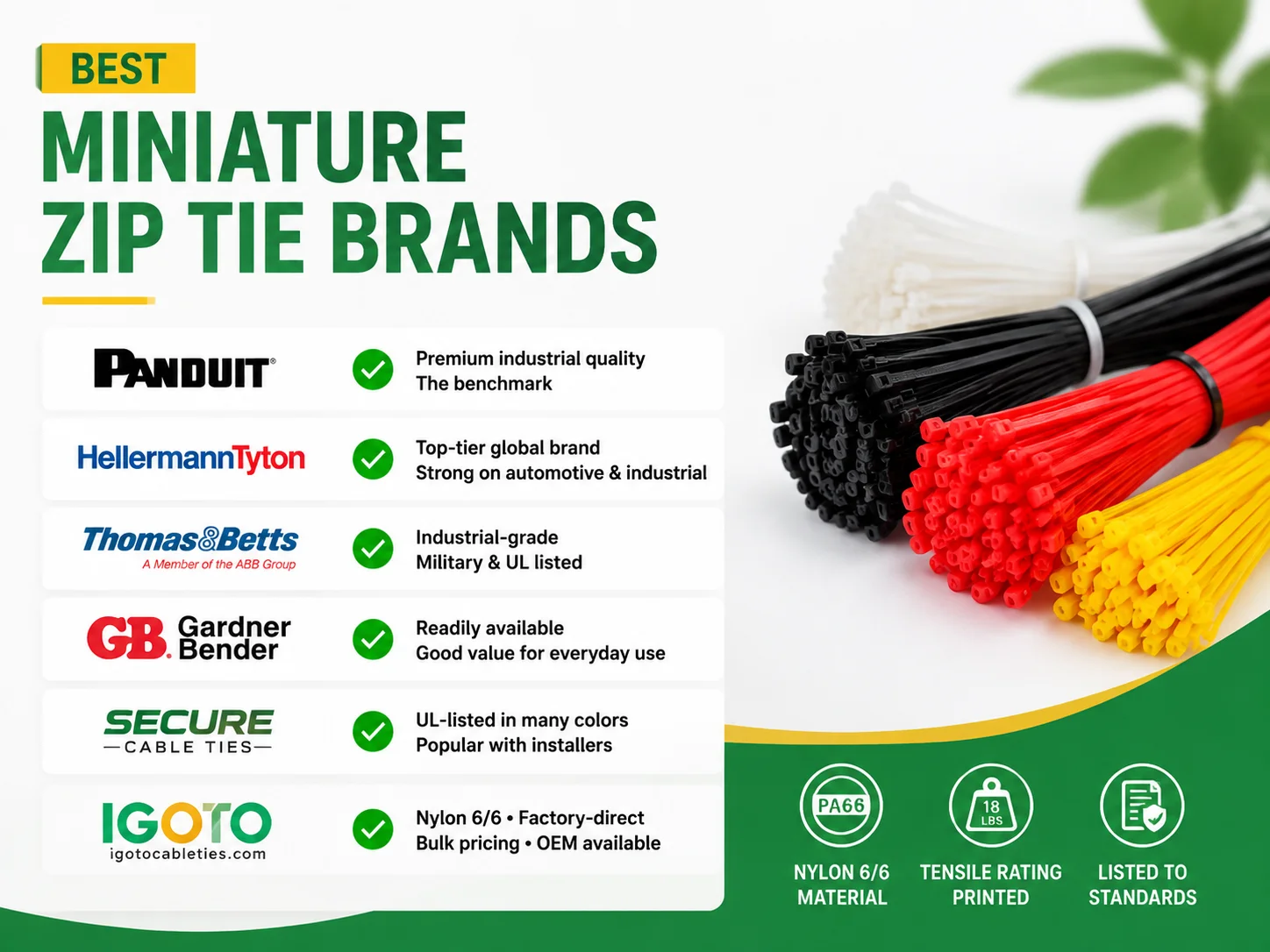
Best Miniature Zip Tie Brands
All miniature zip ties are different due to the differences in the quality of the material, constant measurements, and reliability of the locking mechanism. The following brands are worth mentioning:
- Panduit: This is a leading brand when it comes to industrial quality of zip ties. The branded miniature ties (for example, PLT1M) set the standard of quality due to their material quality and documentation. However, they are expensive.
- HellermannTyton: This is another highly ranked European/global company that manufactures zip ties, especially for automotive and industrial purposes.
- Thomas & Betts (ABB): The company produces mini ties for military purposes and UL-listed ties.
- Gardner Bender & GB Electrical: This brand sells its product in local hardware stores and offers very reasonable prices for home and shop use.
- Secure Cable Ties: The company is based in the USA and provides UL-listed ties of a variety of colors that are popular among consumers.
- IGOTO: A Chinese company that manufactures high-quality nylon 6/6 products (small in size) at affordable prices.
In the process of buying the ties manufactured by a certain brand one should verify three aspects: the ingredient of the ties is specified as nylon 6/6, the strength is specified, and the manufacturer has followed the manufacturing standards such as UL 62275 or military standards.For a fuller checklist, our guide to how to choose the right cable ties walks through every selection factor from material to color.
Alternatives: What to Use Instead of Zip Ties
When a miniature zip tie isn’t the right tool, here are the common alternatives:
| Alternative | Best For | Trade-off |
|---|---|---|
| Twist ties / wire ties | Loops under 1/2 inch, bread bags, very light bundles | Weak, not reusable reliably, but truly tiny |
| Velcro / hook-and-loop wraps | Reusable cable management, temporary bundling | Reusable and adjustable, but bulkier and weaker |
| Releasable zip ties | When you need to reopen the bundle repeatedly | Slightly more expensive than one-way ties |
| Heat-shrink or tubing | Permanent wire grouping with protection | Not removable, needs heat source |
| Adhesive cable clips | Routing single wires along surfaces | Not for bundling multiple wires |
| Standard / heavy-duty zip ties | Anything needing more than 18 lb strength | Bulkier than mini |
How to Use Them Properly (Without Breaking Them)
- Don’t overdo it: A tiny cable tie is very easy to break by simply yanking it hard. Tie it tight enough until it’s snug, and not until it clicks. On soft items, being snug is enough.
- Don’t pull too hard when cutting off the tail: Never pull on the tail with your hands — always cut it off with scissors or clippers.
- Do it right with a tension tool: With many ties to add, a specialized zip tie tension tool would help apply constant tension and cut the cable tie in one action.
- Use the right tie for the job: For cables and lighter items, you can use 18 lb mini ties; for anything load-bearing go thicker.
- Use a UV-stabilized black product outdoors: Regular nylon ties will become brittle after just some months spent in sunlight.
- Double-check temperature conditions: Standard mini ties function between -40 C and +85 C; in this case, use heat-stabilized ties.
- Don’t use stretched ties again: Once tie has been tightened too much, the teeth become worn and it is better not to use this cable tie for anything except light-duty applications
Frequently Asked Questions
What’s the smallest size zip tie?
The smallest standard zip ties are approximately 2.5-3 inches (60-75 mm) long and 0.09-0.10 inches (2.3-2.5 mm) wide, with a tensile strength rating of 18 lbs. Micro versions less than 3 inches exist but are rare and not dependable for heavy loads. Zip ties that are 3 inches in length are the workhorses of the industry because they can bundle cables and wires together with diameters down to about 1/16 inch (2 mm). For smaller items, twist ties or tape are better options than zip ties.
What is the smallest size cable tie?
The miniature series of standard cable ties is the smallest type available; these ties are produced in lengths of 3 inches (75 mm), 4 inches (100 mm), and 6.5 inches (165 mm), and the width design is similar among them with the range in 0.09–0.10 inches (2.3–2.5 mm) and the strength at about 18 lbs (80 N). These ties are designed to bundle different wire widths varying from 1/16 of an inch to 1.4–2 inches. When working with a bundle that is smaller than a pencil, the 3-inch tie is an alternative for a smaller tie; certain manufacturers provide micro ties of size 1.5–2.5 inches but they are less commonly sold.
What can I use instead of a zip tie?
The frequently used substitutes of zip ties consist of: twist ties, which are small lightweight ties, hook-and-loop wraps, which are reusable wire management systems, releasable zip ties, as one may need to open them later on, adhesive cable clips, which serve in putting wires in place, heat-shrink tubing, which can create permanent connections, strings or rubber bands for light temporary binds, as well as typical or heavy zip ties, in case it requires more than 18 lb.
What are the little plastic ties called?
The small plastic fasteners are better known as zip ties – along with their various names such as cable ties, wire ties, tie wraps, or cable straps. In some countries, they are referred to as nylon ties (in reference to the material), mini zip ties (for smaller sizes), and the generic term Ty-Rap (the original trade name of Thomas & Betts) or Quick-Tie. You might also find them in formal catalogs as “cable ties, nylon 6/6, miniature series.” All these things refer to the same product which is basically a nylon strap with a self-locking head.
References
- UL 62275 — Standard for Cable Ties (UL Listed tie requirements)
- Panduit — miniature cable tie series specifications
- HellermannTyton — miniature cable tie ranges and technical data
- Secure Cable Ties — UL-listed miniature nylon tie specifications
- Electrical Basics — miniature nylon cable tie size and tensile data
- ASTM — cable tie material and testing standards
Conclusion
Mini zip ties are the small but effective players in cable management as they measure between 3–8 inches and 2.5 mm along with carrying up to 18 lbs. They come in three types of nylon 6/6 as either transparent, UV-black or color grades that function in temperature ranges of -40°C to 85°C and apply to all cables regardless of type. The minimal cost ensures the abundance of ties and their versatility makes them useful in different situations.
The nylon as a type of material can vary from normal nylon for indoor use to UV-black color for outdoor use while standard or heavy-duty models can be applied for heavy duty items. The fact that one can find a vendor that indicates in his goods the name “nylon 6/6” along with the real tensile value is a common requirement. IGOTO Cable Ties is a China-based manufacturer of nylon 66 cable ties in all sizes — including miniature series sold in bulk with OEM options — a practical source for quality mini ties at manufacturer prices. For more on how to match tie size to your job, our guide to standard cable tie sizes covers the full size family beyond miniature.